As you move through the different stages of menopause, it's common to start noticing changes in your body. One change that many women experience is bladder leakages or incontinence. Incontinence is more common during menopause than many realise, but understanding why it happens and how to manage it can help you stay confident as you navigate these changes.
Let’s explore how incontinence is connected to perimenopause, menopause, and postmenopause and how TENA washable incontinence underwear can support you during every stage of menopause.
What are the different stages of menopause?
Menopause is the natural transition in a woman’s life when periods permanently stop. During this time, the body produces less oestrogen and progesterone (your reproductive hormones), and these hormonal changes can cause some physical and mental side effects. [1] This change doesn’t happen overnight; it’s a gradual process with three key phases:
Perimenopause
The lead-up to menopause, when hormone levels start to fluctuate and irregular periods are more common. [2]
Menopause
Menopause officially begins 12 months after your last menstrual period. At this point, ovulation has stopped. At this point, your body will be adjusting to its new hormone balance.
Postmenopause
The time after menopause, when hormone levels remain low and menopause symptoms may ease or change. [3]
Everyone’s experience of menopause is different. You might feel a range of common symptoms, from hot flushes to mood shifts, or you might not notice much at all. However, one thing that often gets overlooked is how these hormonal changes can affect your bladder and pelvic floor health.
What causes incontinence during menopause?
Oestrogen plays a key role in keeping the tissues of your bladder, urethra and pelvic floor strong and flexible. As oestrogen levels drop during menopause, these areas can become thinner and weaker. This lack of oestrogen can lead to a loss of bladder control, especially when laughing, coughing or sneezing — classic signs of stress incontinence. [4]
Some common reasons menopause can lead to incontinence include:
- Pelvic floor muscles become weaker over time. This is mostly just part of getting older, but declining oestrogen levels during menopause may also contribute. This is because oestrogen helps maintain muscle tone and tissue strength in the pelvic area.
- The tissues around the urethra become thinner and more delicate. This is mainly caused by the drop in oestrogen levels during menopause. This can lead to a loss of elasticity and thinning of the urogenital (vagina and bladder) tissues, making it harder to control urine flow.
- The bladder becomes less stretchy, making it harder to hold urine. Another part of getting older is that the bladder's capacity and elasticity naturally decrease with age. However, hormonal changes during menopause can also play a role in altering bladder function.
These changes can lead to stress incontinence (urinary leakage when pressure is put on the bladder), urge incontinence (strong urges to use the toilet), or a mix of both, known as mixed incontinence.
These symptoms don't have to run your life, there are plenty of management options out there for you to explore. To find out more about these choices, have a chat with your doctor. They might suggest pelvic floor exercises like Kegels or making some lifestyle changes.
What is perimenopause incontinence?
Perimenopause can last anywhere from a few months to several years, and it's often when incontinence first shows up. Hormone levels fluctuate a lot during this time as the ovaries gradually produce less oestrogen and progesterone, which can affect how your bladder behaves. [2]
You might notice:
- Sudden urges to pee
- Frequent trips to the toilet
- Leaks when sneezing, coughing or lifting heavy objects
Pelvic floor muscles may start to weaken during this stage, especially if you’ve had children. You may not always feel in control of your bladder, and that’s completely normal.
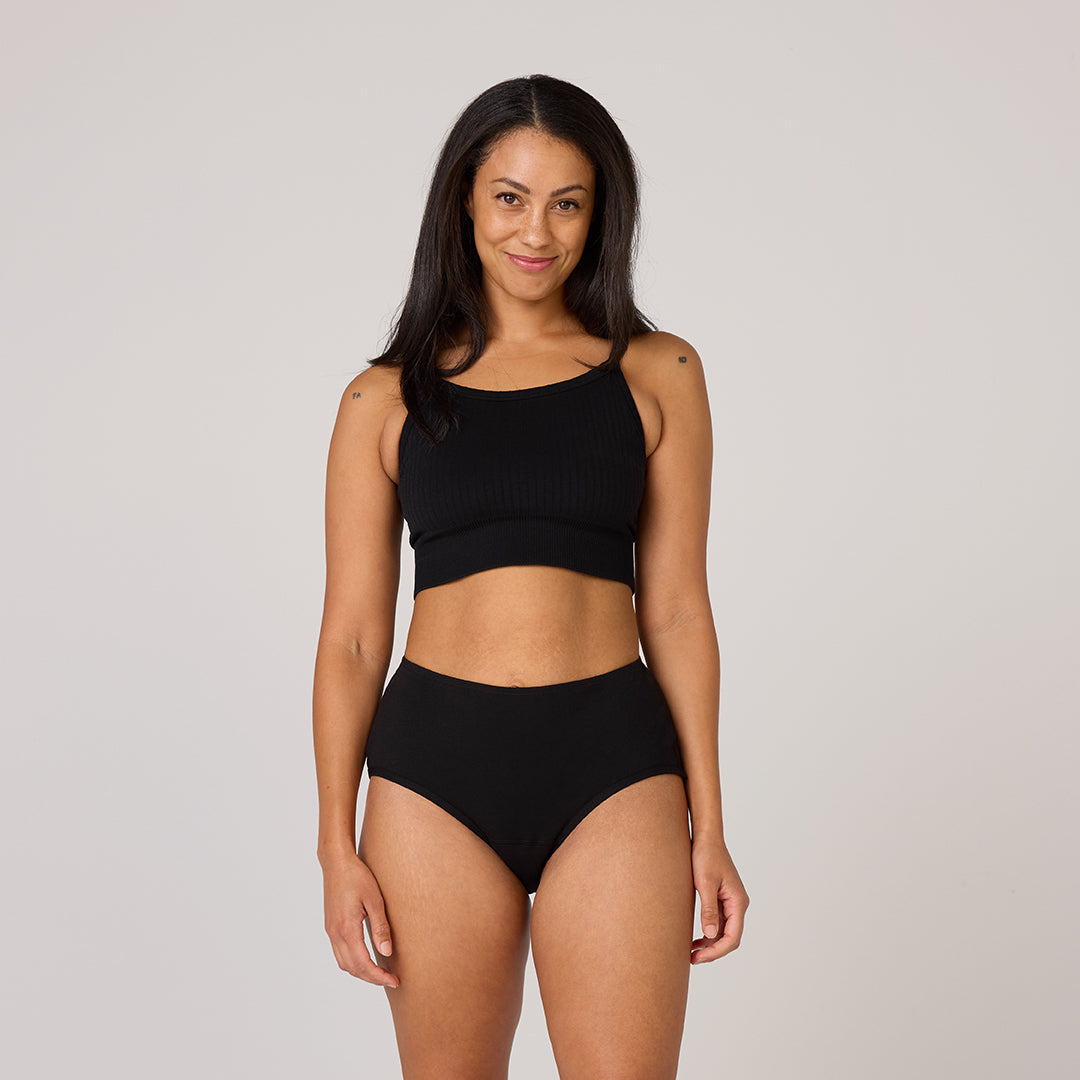
All of these changes can feel overwhelming — one day everything seems fine, and the next you're planning your day around the nearest toilet. But it doesn't have to be this way, and the right support can make a real difference. TENA Organic cotton washable incontinence underwear is made with discreet, built-in protection and stylish, breathable fabrics, helping you feel secure and confident, even on the busiest days.
What is postmenopausal incontinence?
Postmenopause begins once you've gone a year or more without a period. By now, oestrogen levels should have settled at a lower level, but you might still notice some lingering effects, including changes in your pelvic health.
In this stage, the bladder and urethral tissues may be less elastic and more prone to irritation. The urinary tract as a whole can become more sensitive than you might be used to, leading to issues such as: [3]
- Worsening of existing bladder issues and urinary symptoms
- Urinary tract infections (UTIs)
- Night-time bladder leaks (nocturia or night-time incontinence)
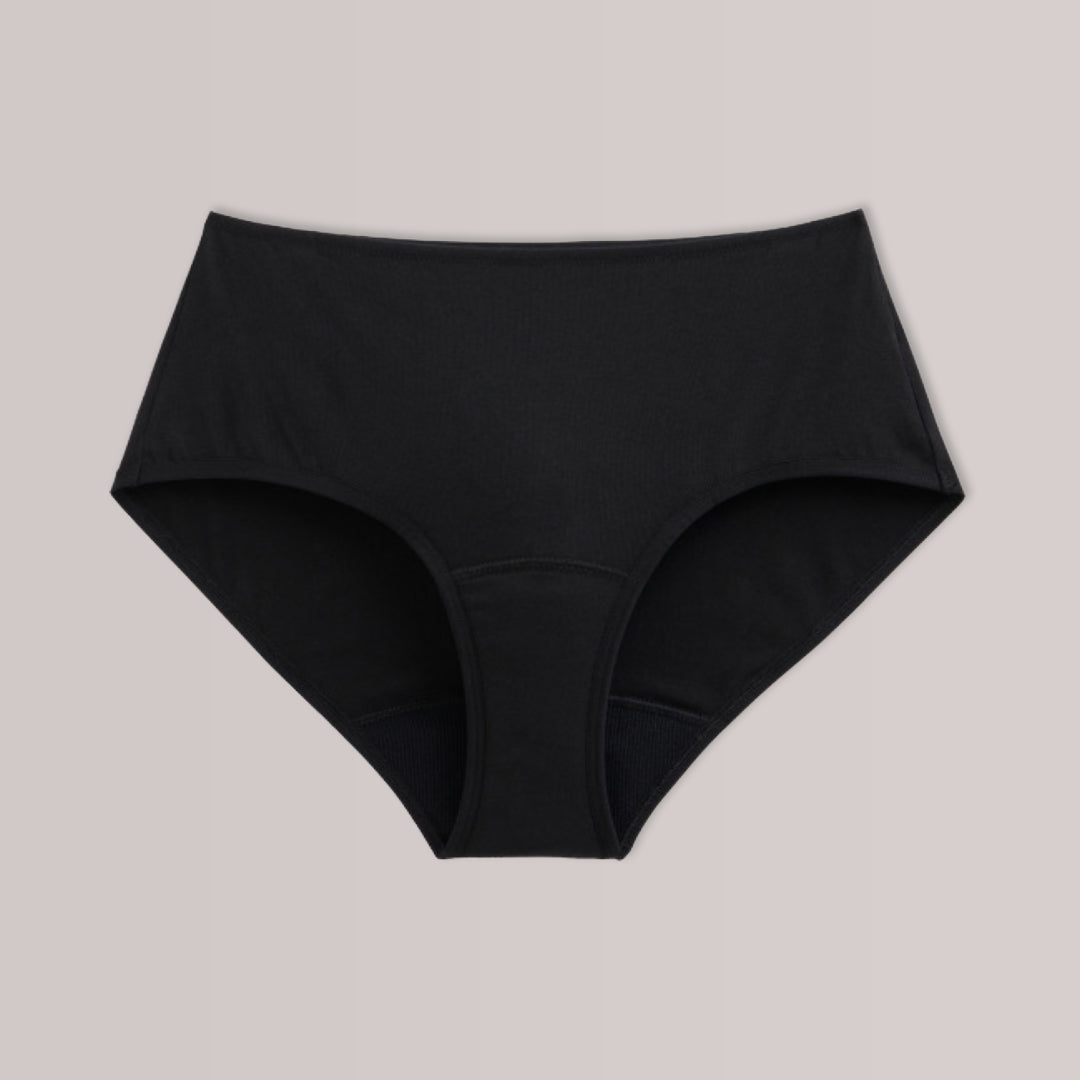
Incontinence shouldn't get in the way of your night-time routine, especially when you’re trying to get a good night’s sleep [Link to upcoming night-time article]. But the good news is that support is available. TENA Washable Soft Cotton underwear offers comfort and protection with a high-cut design and a breathable cotton blend.
But how does it work to keep leaks locked in?
How does TENA washable incontinence underwear protect against leaks?
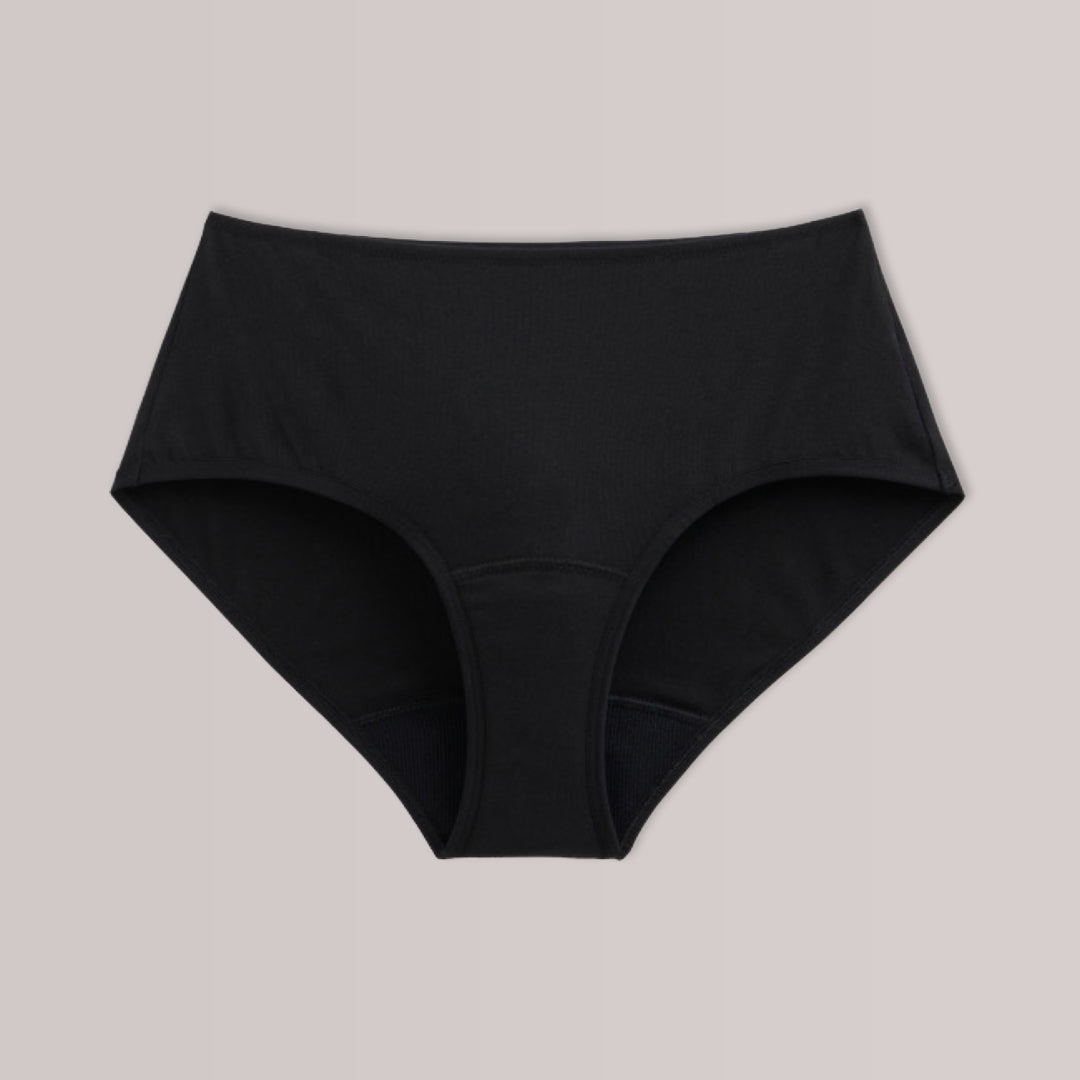
No matter where you are in your menopause journey, our washable incontinence underwear are designed with textile technology to quickly absorb and manage light bladder leaks. The products have four layers in the absorbent area, to keep you protected:
- A moisture-wicking layer that quickly drains the surface to keep your skin dry.
- Two absorption layers that draw in and hold liquid.
- A liquid barrier layer that keeps the liquid in the product.
This built-in 4-layer gusset keeps you dry and secure — whether you’re at home, out and about or heading to bed.
Comfort and discretion in one
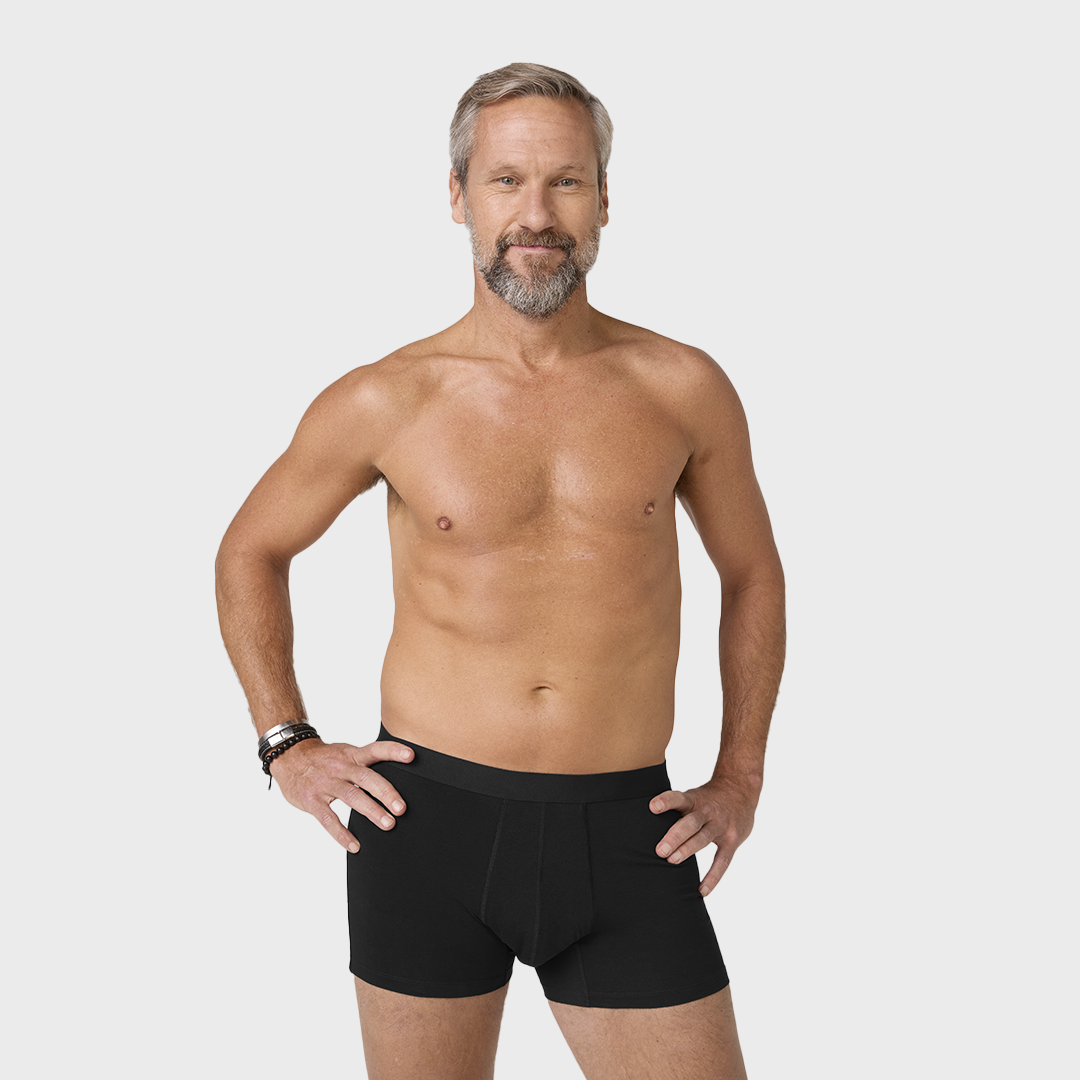
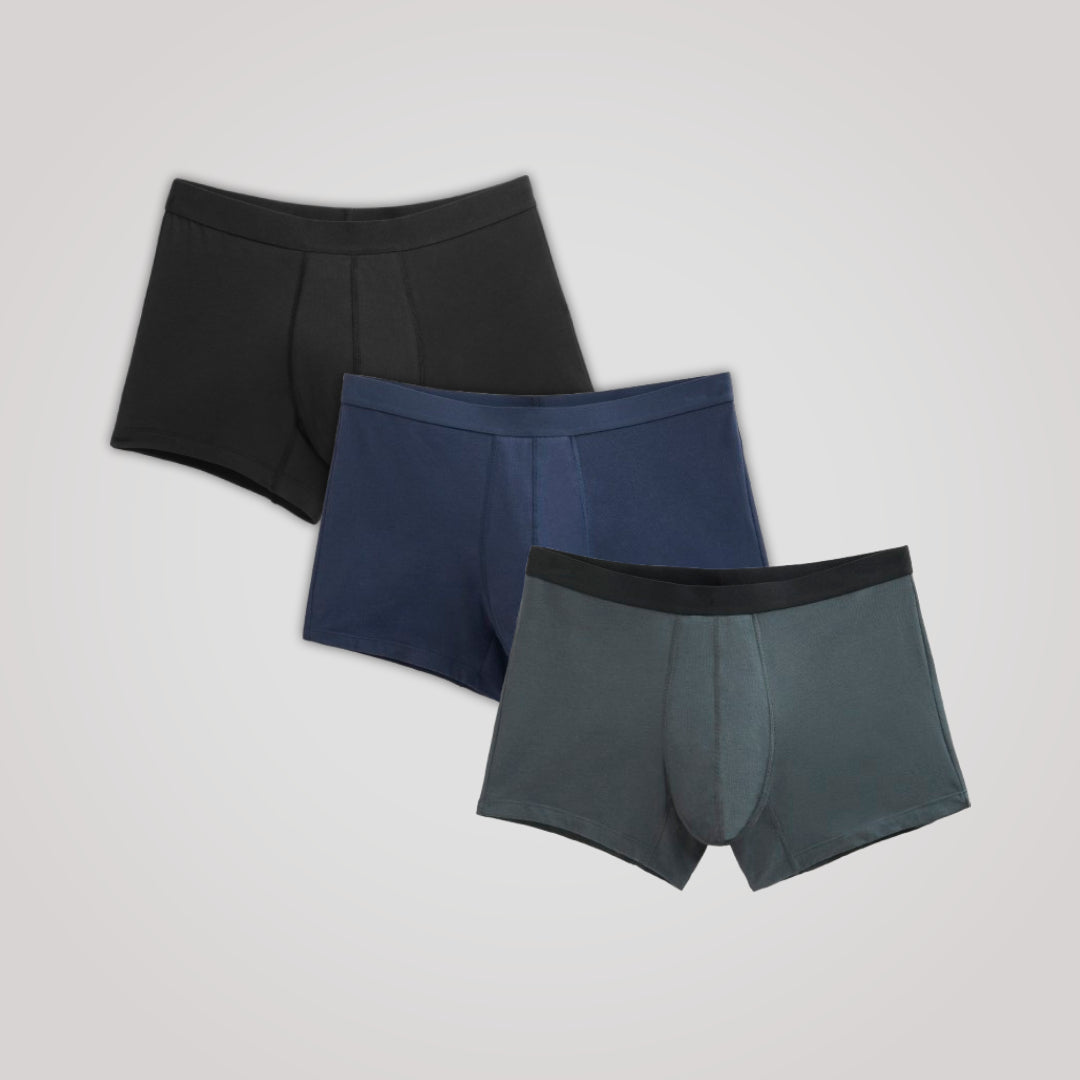
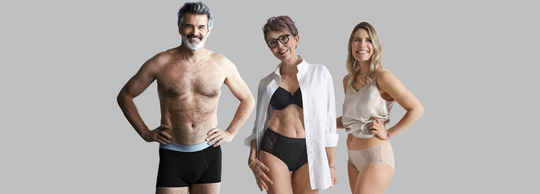
TENA washable incontinence pants are designed with comfort in mind, whatever menopause may bring. All of our styles use soft, breathable materials that allow for natural movement while providing a discreet fit. They even look and feel just like your regular underwear, so no one has to know you're wearing them unless you want them to.
If you’re dealing with heavier leaks during menopause, you're covered there too. There are plenty of products like pads that can help you stay dry and comfortable throughout the day.
Incontinence during menopause is more common than you might expect, but it doesn’t have to stop you from living life your way. Whether you’re in the early stages of perimenopause or well into postmenopause, understanding the connection between hormones and bladder leaks can help you better manage bladder control and stay feeling confident.
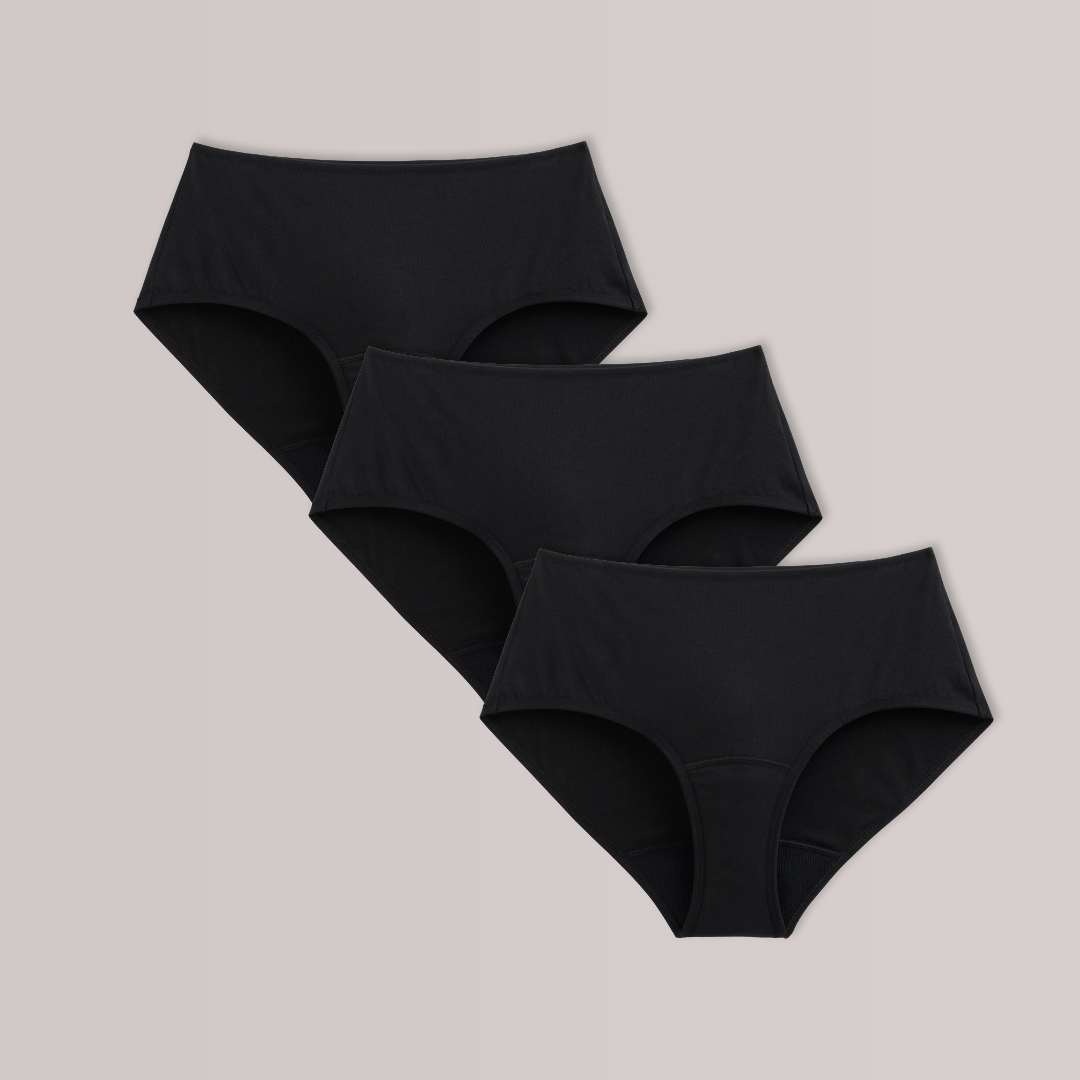
With TENA washable incontinence underwear, you can stay protected with comfort, discretion, and style. Explore the full TENA washable range to find the right fit for you and keep light leaks under control, no matter what stage of menopause you're in.
Medical Disclaimer
The medical information in this article is provided as an information resource only, and is not to be used or relied on for any diagnostic or treatment purposes. Please consult your doctor for guidance about a specific medical condition.
References:
[1] https://thebms.org.uk/wp-content/uploads/2023/08/17-BMS-TfC-What-is-the-menopause-AUGUST2023-A.pdf
[2] https://my.clevelandclinic.org/health/diseases/21608-perimenopause
[4] https://themenopausecharity.org/information-and-support/symptoms/menopause-and-urine-incontinence