Whether it’s occasional leakage when laughing or a sudden or urgent need to find a bathroom, bladder control issues are far more common than you may realise. Incontinence is a topic that often goes unspoken, yet it affects millions of people worldwide. By understanding more about the condition and the different options you have to manage it, you'll be well on your way to taking back control of your bladder.
What is incontinence?
Urinary incontinence is the involuntary loss of urine — essentially, leaks that happen unexpectedly and aren’t always within your control. For some, it’s mild, like a small trickle when sneezing. For others, it can be more frequent or result in a greater loss of urine, making daily activities more challenging. But just remember, incontinence is a common condition, and these symptoms are a part of it.
It can be challenging when you're trying to make sense of any condition, and incontinence is no exception. Luckily, TENA can help with that, whether you're looking for helpful advice or methods to help you tackle those trickles and improve your quality of life.
What causes incontinence?
Urinary incontinence causes and triggers depend on what type you're dealing with. Sometimes, incontinence is temporary and is caused by a urinary tract infection (UTI), or certain lifestyle choices. It can also be a part of pregnancy, menopause and the postpartum experience. For more long-term forms of incontinence, they can be caused by a number of factors and conditions, including:
- Neurological conditions (Parkinson's, Alzheimer's etc.)
- Diabetes
- Obesity
- Prostate surgery
- Spinal cord injuries
- Side effects of some medications (muscle relaxants, sedatives etc.)
Whether incontinence is a condition on its own or a symptom of other medical conditions, it's not something you just have to accept. If you're going through these changes and are concerned about changes in your bladder habits, chatting to your doctor can help ease your mind.
Types of incontinence
Knowing what type of incontinence you may be experiencing is one of the first and most important steps to taking control of the condition and your overall bladder health. Armed with this knowledge, you can figure out what triggers your bladder leaks and maybe even prevent them.
While bladder leakage can happen for any number of reasons, there are 5 common types of incontinence that you might be dealing with:
Stress incontinence
If you feel a little trickle of pee when you laugh, sneeze, exercise or even when you lift heavy objects, you could be experiencing stress incontinence.
What causes stress incontinence?
While psychological stress can contribute to the development and worsening of incontinence symptoms, we're talking about stress on the body in this case.
Stress incontinence happens when pressure on the bladder causes urine to escape, usually because the pelvic floor muscles aren’t as strong as they should be.
This type of incontinence can be common postpartum, as childbirth can cause the pelvic muscles to weaken. It can also happen as a natural part of the ageing process, or even as a result of frequent high-impact physical activities (running and tennis being just a couple of examples).
Can stress cause incontinence?
Yes, stress can definitely play a role in incontinence, especially through something called psychosomatic incontinence. This happens when emotional or mental stress affects bladder control, even if there's no physical issue causing it. [1]
Stress can also make existing bladder problems more unpredictable, leading to more frequent urges or unexpected leaks.
But keep in mind that incontinence caused by stress and stress incontinence are different conditions entirely. If you're not sure which may be causing your symptoms, having a conversation with your doctor might be helpful.
Urge incontinence
Ever felt a sudden, overwhelming urge to empty your bladder? Worried you won't make it to the toilet? You might be experiencing urge incontinence.
What causes urge incontinence?
Also known as urgency incontinence, overactive bladder or OAB, urge incontinence is caused by your bladder muscles contracting or tightening up unexpectedly. This is what makes you feel the sudden, intense urge to go, even if your bladder isn't full. [2]
In terms of what causes urge incontinence to develop, it could be as a result of nerve disorders, infections, or even just one too many cups of coffee. Caffeine is a diuretic, meaning it increases urine production and can irritate your bladder if you have too much. Other potential bladder irritants include citrus fruits, carbonated drinks, spicy foods and alcohol. [3]
Mixed incontinence
If the symptoms of both stress and urge incontinence seem familiar to you, the answer could be mixed incontinence.
What causes mixed incontinence?
Since this type of incontinence is a mixture of the two previous types, the causes of both stress and urge incontinence can also cause this mixed type. Injury or surgery to areas such as the rectum, prostate or vagina can also be a factor in developing mixed incontinence. [4]
Overflow incontinence
Overflow incontinence means that your bladder doesn't empty completely, leading to very frequent or sometimes constant dribbles of pee.
What causes overflow incontinence?
Overflow incontinence can occur when something blocks the flow of urine. In male incontinence, for example, this can be caused by an enlarged prostate gland, but in general, it can be caused by nerve damage caused by other medical conditions. [5]
Functional incontinence
Sometimes, the problem isn’t with the bladder itself but with getting to the bathroom in time when you would normally need to go. This is called functional incontinence.
What causes functional incontinence?
Functional incontinence happens when physical or cognitive conditions — like arthritis, mobility problems, or dementia — make it difficult to react quickly enough when you need to go.
How is incontinence diagnosed?
Diagnosing incontinence starts with a conversation with your doctor about your symptoms, medical history, daily habits, and any triggers for leaks. They may do a physical exam, such as checking the pelvic floor in women or the prostate in men, to look for underlying causes. Simple tests like a urinalysis (you might know it as simply a urine sample) can rule out infections. You might also be asked to keep a bladder diary to give your doctor a better idea of your bathroom patterns over time.
Some people may need what's called a post-void residual test to see if the bladder is emptying properly. There are also more advanced tests like urodynamic studies to check how well it's functioning.
You might need a couple of tests to get to the root of the problem, but getting the right diagnosis is the first step toward finding the best treatment for you.
What can I do about incontinence?
Treatment options for urinary incontinence vary depending on the type and severity. Options include lifestyle changes like weight management and avoiding bladder irritants. Another effective method is pelvic floor exercises, such as Kegel exercises, to strengthen the muscles that control the flow of your pee. Medications may help manage symptoms, while devices like pessaries (a small plastic or silicone device placed inside the vagina) can support the bladder and other pelvic organs. For more severe cases, your doctor might recommend treatments like bladder training, physical therapy, or even surgical options. It’s important to talk this through with a healthcare provider to find the best approach for you.
How can washable incontinence underwear help?
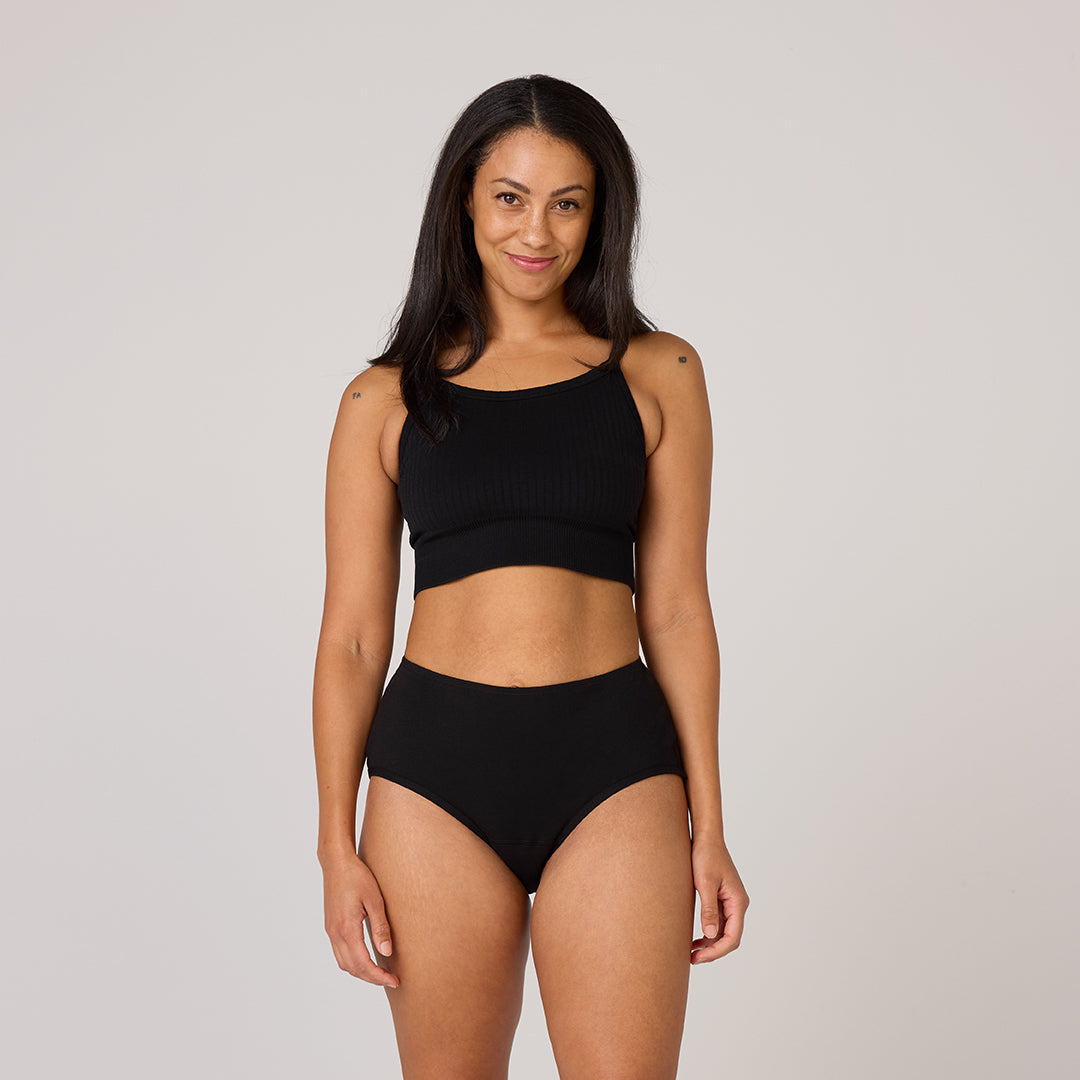
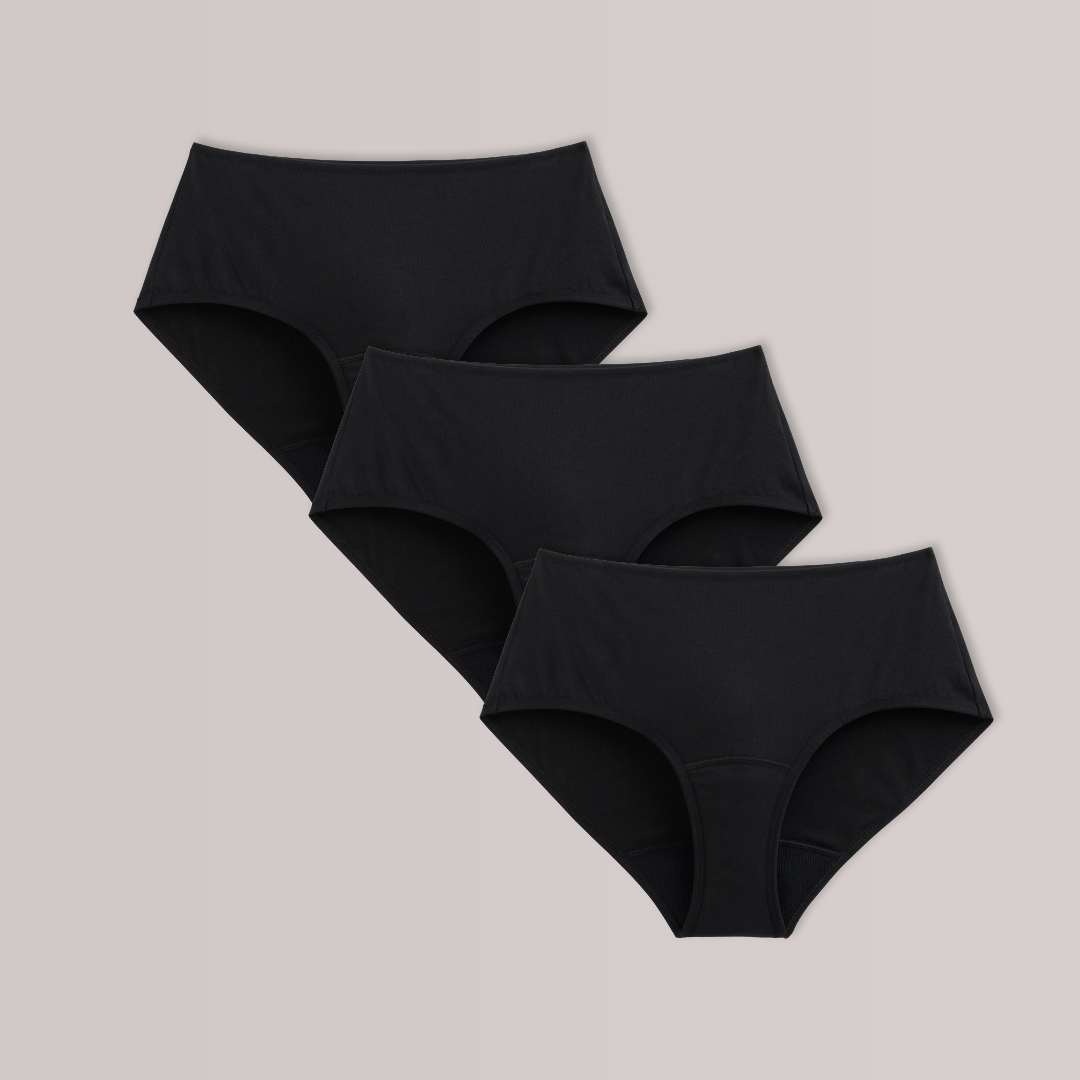
Incontinence, no matter which type, can have a significant impact on your daily life. However, there are simple ways for you to keep fresh so that you can feel confident, stay comfortable and most importantly, protected. One of those ways is using washable incontinence underwear for light urine leaks.
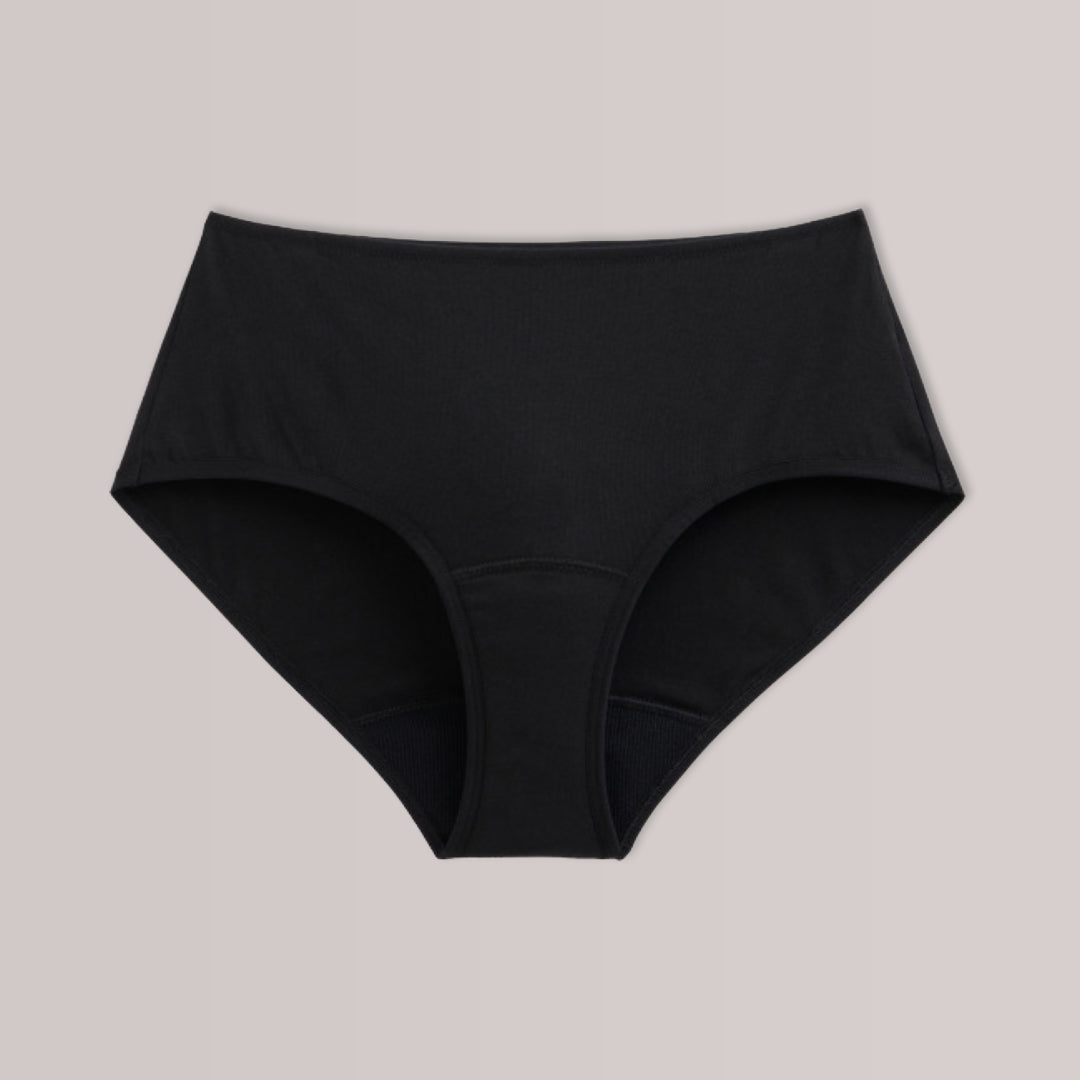
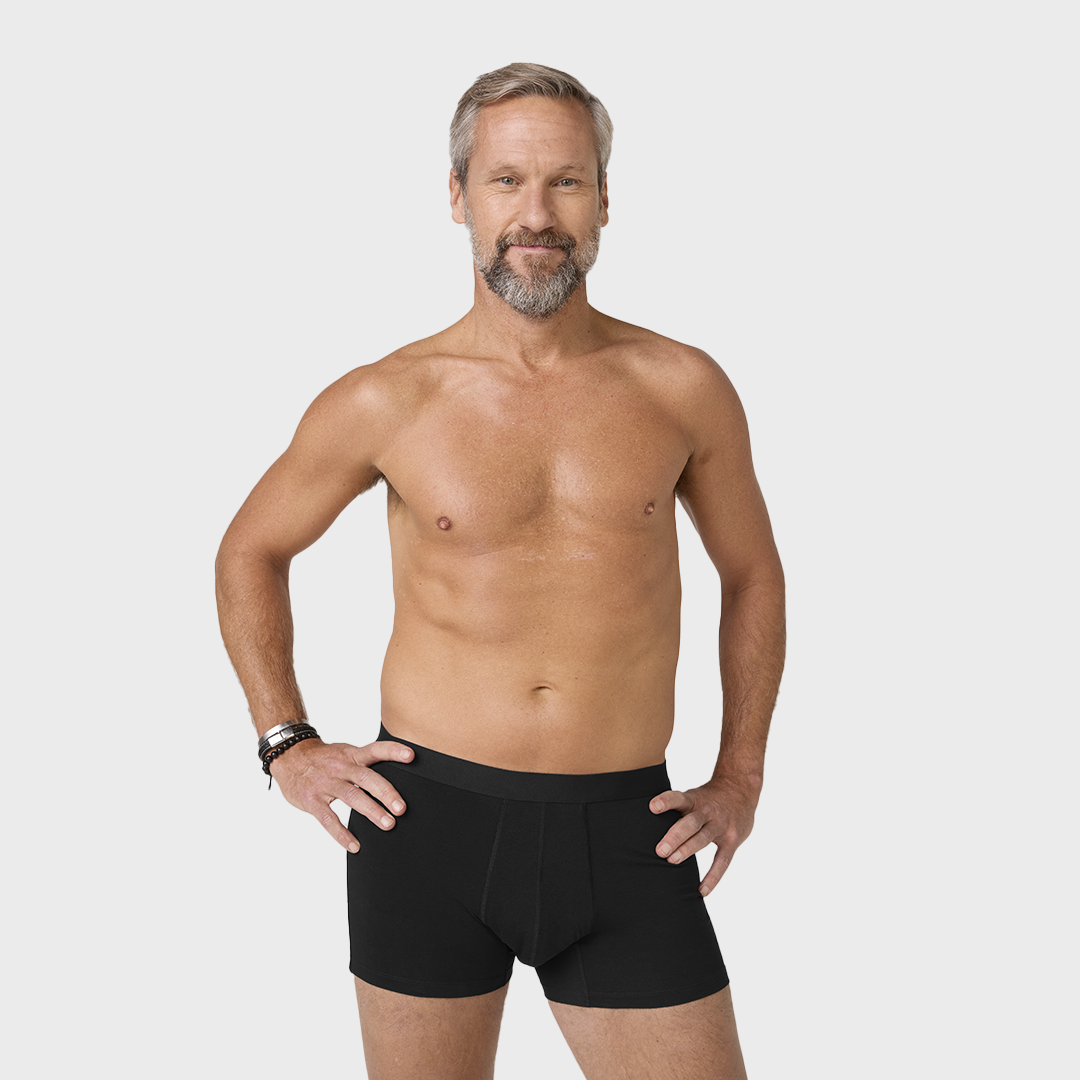
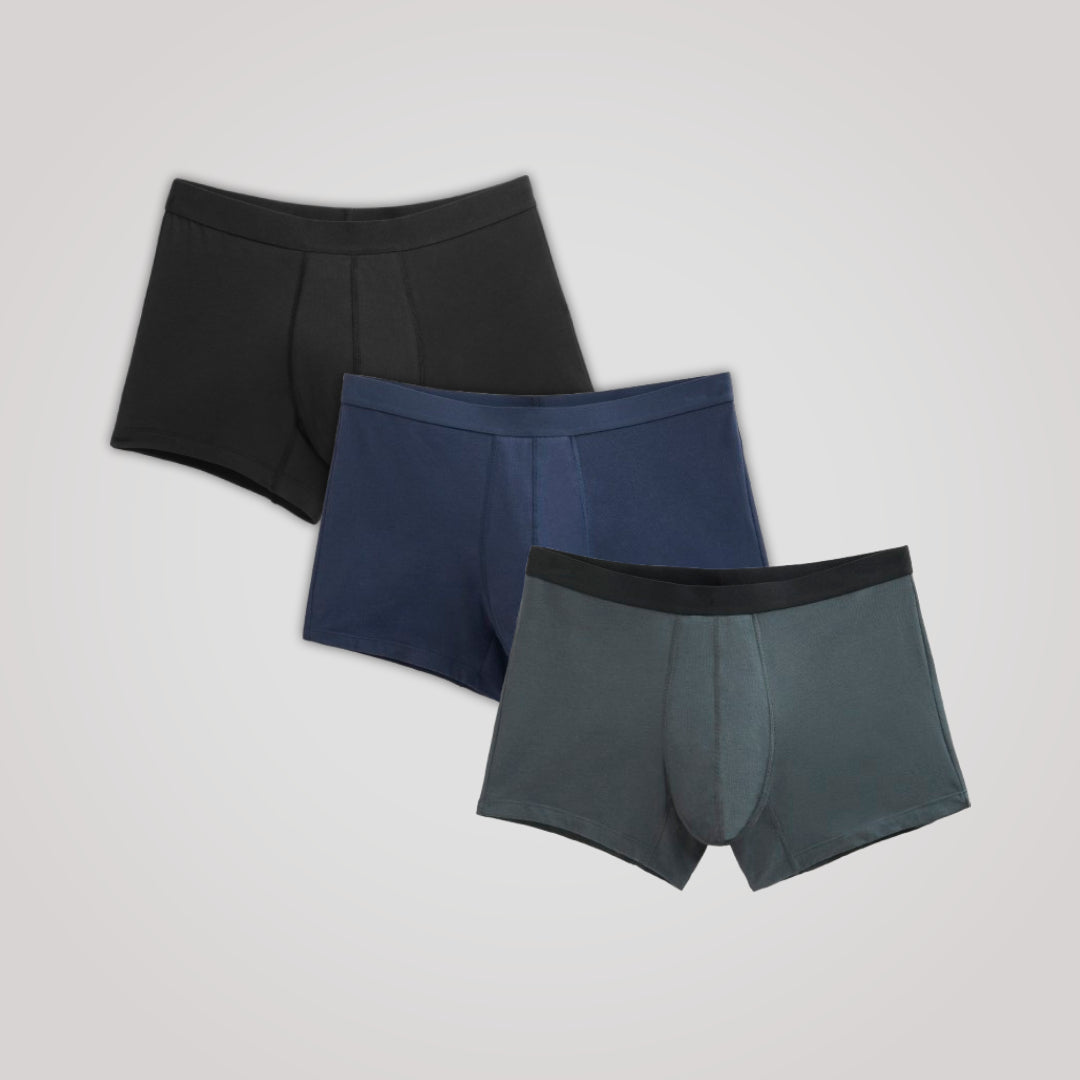
Our washable incontinence underwear features four layers of protection and textile technology to keep you dry and manage light leaks so discreetly that you might not even notice. The product innovations focus on three main areas — protection, discretion and comfort. We've thoroughly thought through the design to make sure that light leaks shouldn’t stop you from living your life to the fullest.
The absorbent area in each pair of TENA washable absorbent underwear includes:
- A top layer that quickly drains the surface to keep your skin dry.
- Two absorption layers that absorb and retain liquid.
- A leakproof barrier layer to keep liquid in the product.
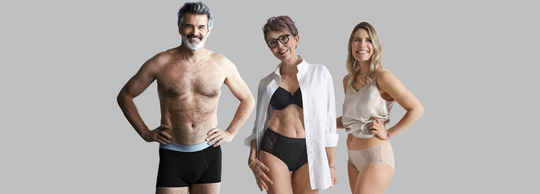
The exact materials and location of these absorbent areas differ between products designed for women and men, to support user needs with textile technology.
Better still, we combine this innovative technology with breathable body fabrics that allow you to move freely while keeping light leaks in check, all while feeling and looking like your regular underwear.
Get to know your condition
Millions of people experience involuntary loss of urine, so it's important to remember that you're not alone. No matter the cause or type, we should open up and acknowledge incontinence more.
The first step is to have a chat with your doctor about your management options. Whether that's exercises like Kegels for stress incontinence, practising holding in urine so you can get to the toilet in time, or trying out washable incontinence underwear.
Incontinence can be a tricky condition to understand, that's why we're here to help you through it and help you live your life with confidence. If you want to learn more about the causes of female and male incontinence, or how to master staying active while dealing with leaks, TENA has you covered every step of the way.
Medical Disclaimer
The medical information in this article is provided as an information resource only, and is not to be used or relied on for any diagnostic or treatment purposes. Please consult your doctor for guidance about a specific medical condition.
References:
[1] https://www.normanurology.com/blog/stress-and-incontinence
[2] https://my.clevelandclinic.org/health/diseases/22161-urge-incontinence
[3] Urinary incontinence - Symptoms and causes - Mayo Clinic
[4] What is Mixed Incontinence? | Incontinence Institute in Middle Tennessee
[5] https://my.clevelandclinic.org/health/diseases/22162-overflow-incontinence