There's no need to stop your daily activities just because you're dealing with urine leakage. Whether you're getting ready for a night out with a friend, a long meeting at work or a game of basketball, you can still feel confident and in control.
With the right strategies, from lifestyle changes to incontinence products, it’s possible to manage leaks confidently — whether you're exercising, travelling, or just on the go. These tips can help you feel more in control and less limited by urinary incontinence.
Understanding urine leakage in men: you're not alone
If you're a man who experiences urine leakage, whether that's daytime incontinence or occasional, you're not alone.
Urinary incontinence, also known as urine leakage, can affect many men at different stages of their lives and can be a result of many causes such as prostate issues, surgery, ageing or weakened pelvic floor muscles. Although more commonly affecting women, studies show that urinary incontinence affects up to 31% of men aged 64 and above. [1]
There are a number of treatment options and management strategies available that will allow you to take control of urine leakage and live your life to the fullest.
Common causes explained
To better manage urine leakage, it’s important to understand what might be triggering your symptoms. Some common causes include: [2]
- Prostate issues
- Post-surgery effects
- Ageing
- Neurological conditions
- Lifestyle factors
While this article can provide general guidance and tips, it's essential to follow the advice of your healthcare provider. They can help you create a tailored plan that includes lifestyle changes and exercises for more specific guidance on managing your urine leakage, depending on your symptoms and medical history.
Why activity matters: physical & mental health benefits of staying active
Staying physically active is one of the most important things you can do to support both your physical and mental wellbeing, especially when dealing with urine leakage. Regular activity helps strengthen muscles, improve mood, reduce stress, and even enhance bladder control over time. [3]
Exercise also promotes better circulation, supports a healthy weight (which reduces pressure on the bladder), and boosts confidence. With the right protection, you can stay active without worrying about urinary incontinence getting in the way.
Taking control: tips for an active life
Managing urine leakage doesn’t mean slowing down. With the right tips, you can take control of your symptoms and continue living an active lifestyle. Here are tips that can help manage and control urine leakage.
Go before you go, but only if you need to
One of the simplest and most effective habits you can adopt is emptying your bladder before starting any activity. Whether you're heading out for a long drive, attending a meeting, or going to the gym, taking a moment to use the restroom beforehand can help.
It’s especially useful when you know you won't have easy access to a bathroom for a long time. Make it part of your routine, just like grabbing your keys or checking your phone before walking out the door. However, make sure you're not forcing yourself to pee to completely empty your bladder, as this can actually increase feelings of urgency over time. [4]
Knowledge is power
Being prepared can make all the difference in how confident and comfortable you feel throughout your day. Knowing where restrooms are before you arrive at a venue can help you plan your movements, reduce anxiety, and give you the peace of mind to enjoy your activities without worrying.
For example, if you’re attending a concert or watching a live game, try to choose seats near the exits or restrooms. When flying, familiarise yourself with the layout of the terminal and find restrooms before boarding. Even at work, knowing which floors or areas have accessible facilities can ease stress during busy days.
If you'd rather eliminate extra planning entirely, why not give a pair of protective boxers a go? Just pop them on and get on with your day, keeping light leaks locked in with no bathroom route planning required.
Stay hydrated
It might seem counterintuitive, but drinking enough water is important, even if you're dealing with urine leakage. Restricting fluids can make symptoms worse by concentrating your urine, which may irritate the bladder and increase urgency or frequency. [5]
Aim to drink water steadily throughout the day rather than in large amounts all at once. This helps your bladder adjust and reduces the likelihood of sudden urges. [6] Staying well-hydrated also supports overall health, including kidney function and digestion.
If you're unsure about how much fluid you should drink daily, speak with your healthcare provider. Everyone's needs are different, and finding the right balance can help you manage urine leakage effectively.
Avoid triggers
While staying hydrated is important, certain foods and drinks can act as bladder irritants and worsen urine leakage. These include:
- Caffeine (coffee, tea, energy drinks)
- Alcohol
- Carbonated beverages like fizzy drinks
- Spicy foods
- Citrus fruits and juices [7]
These can stimulate the bladder, increase urine production, or irritate the lining of the urinary tract, potentially leading to more frequent or urgent trips to the bathroom. As well as your diet, taking a look at your other lifestyle choices and potentially making some changes can go a long way in managing symptoms.
Pelvic floor muscle exercises
For many men, pelvic floor muscle exercises help when it comes to managing urine leakage, especially since you can do them both at work and at home. Pelvic floor exercises, also known as Kegel exercises, involve contracting and relaxing the muscles that support the bladder and urethra. These exercises strengthen these pelvic muscles, helping to prevent leaks during physical activity, and can improve bladder control when coughing, sneezing, or sudden urges.
Your leakage defence kit: choosing the proper protection
Having the proper protection is essential, not just for comfort but for confidence and peace of mind. TENA offers a range of incontinence products, designed specifically for men. Washable protective boxers is one of them. Find the right fit for your needs.
Washable incontinence pants for men
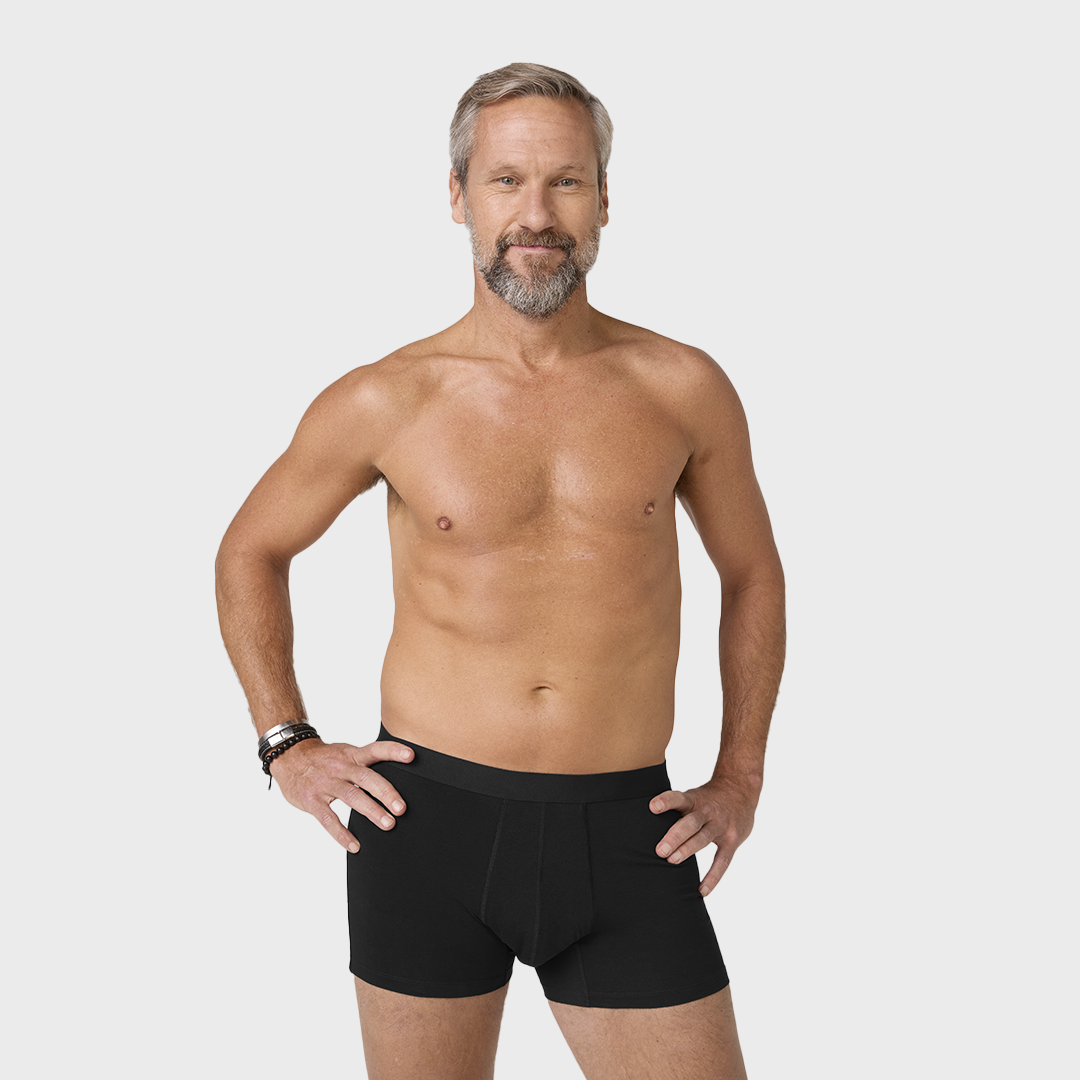
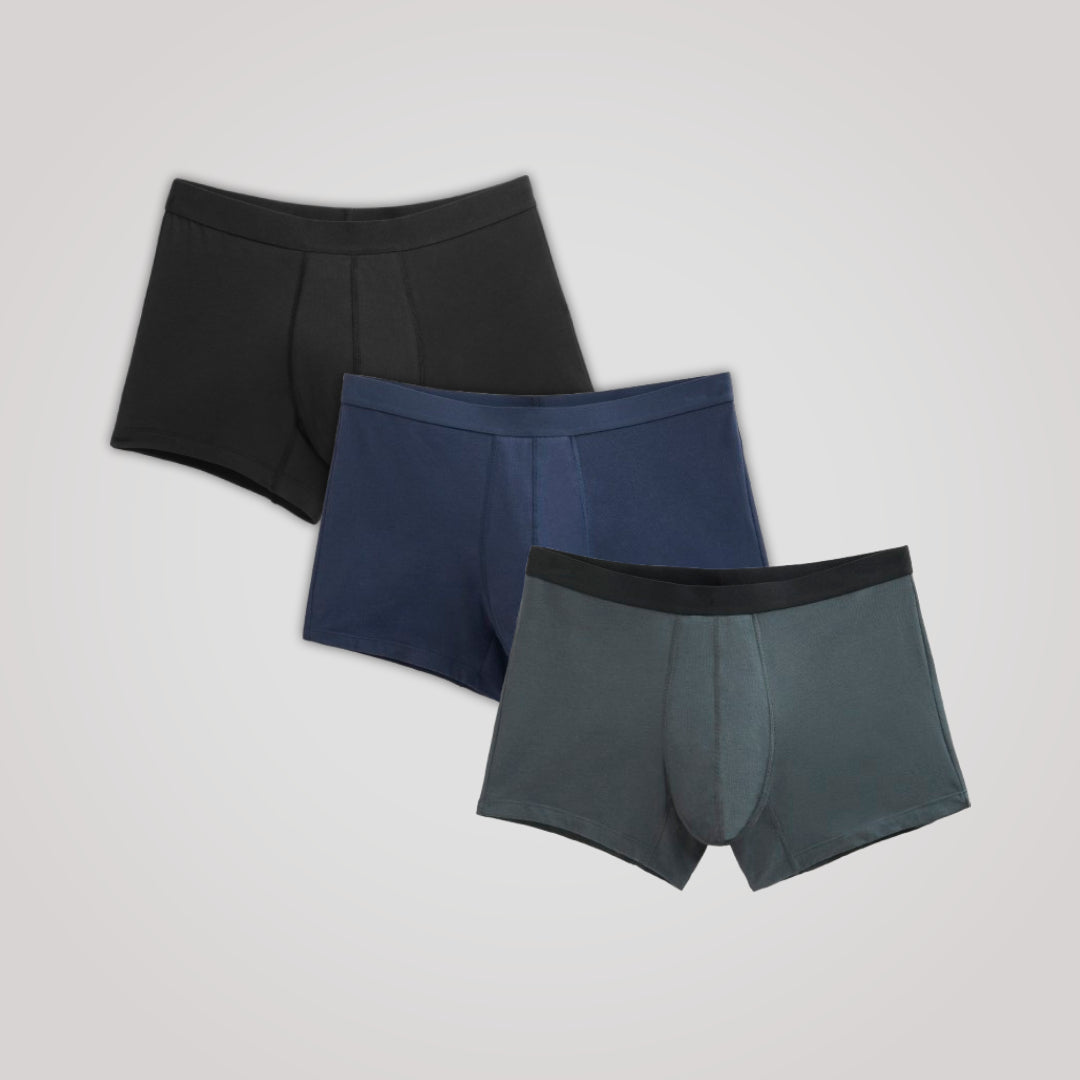
For those experiencing drips, dribbles or small amounts, TENA MEN Washable Protective Boxers offer a discreet and reusable option that blends into daily life without drawing attention. Designed to look and feel like regular underwear, these boxers have built-in protection with textile technology that effectively handles smaller leaks without bulk or discomfort.
Made with breathable body fabric and organic cotton to keep you comfortable and providing a discreet fit. This helps preserve confidence and makes it easier to stay active without concern.
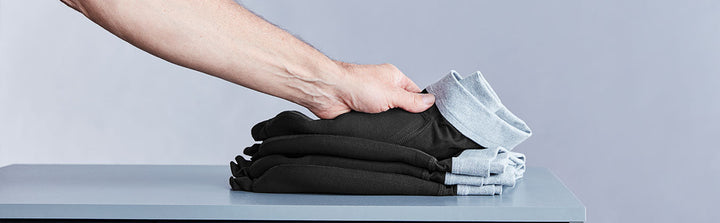
One of the benefits of washable incontinence pants is their durability and ease of care. They can be washed at 40°C along with regular clothing, making them a convenient and cost-effective choice over time.
For heavier leaks, disposable incontinence pads and pants can provide secure protection when you're out and about.
Talk to your doctor
If urine leakage is affecting your daily life, it’s important to consult a doctor. A proper diagnosis can help identify the type and cause of your urinary incontinence, whether it’s due to prostate issues, surgery, or muscle weakness.
By incorporating these simple yet effective tips into your routine, you can confidently maintain an active lifestyle while managing urine leakage with ease. With the right support, you can focus on what truly matters, whether that’s quality time with loved ones, pursuing your passions, or simply enjoying everyday moments.
Explore the full range of TENA Men products designed to keep you protected with your active lifestyle. Find the right fit for your needs and get back to doing what you love.
Medical Disclaimer
The medical information in this article is provided as an information resource only, and is not to be used or relied on for any diagnostic or treatment purposes. Please consult your doctor for guidance about a specific medical condition.
References:
[1] https://pmc.ncbi.nlm.nih.gov/articles/PMC2777062/
[2] Male Urinary Incontinence | Causes & Treatment | The Urology Partnership
[3] Exercise and keeping fit is important for bladder incontinence | Coloplast Charter
[4] https://www.hdft.nhs.uk/wp-content/uploads/2016/02/overactive-bladder-and-bladder-retraining.pdf
[5] https://pelvicawarenessproject.org/water-intake-incontinence-how-much-should-i-be-drinking/
[6] https://mycontino.com/blog/hydration-and-urinary-incontinence-finding-the-balance/