Urine leakage happens to 1 in 4 men*, making it a very common occurrence. Naturally, urinary leakage differs from man to man. Whether you're dealing with a few drops every now and then or frequent strong urges to go, there’s help available and effective ways to stay in control of urine leakage.
Understanding the type of incontinence you're dealing with and what could be causing it brings you one step closer to managing it and living your life to the fullest.
What is incontinence?
Urinary incontinence is when you're less in control of when you release pee. Whether it's temporary or a more long-term condition, it is common and affects people of all ages and walks of life.
What are the types of male incontinence?
When it comes to male incontinence, there’s no one-size-fits-all experience. There are several different types, each with its own triggers and symptoms.
While the causes of male incontinence are different to female incontinence, the common types are the same:
Urge incontinence
Also known as overactive bladder (OAB) or urgency incontinence, urge incontinence involves strong and sudden urges to pee that mean you can't get to a bathroom in time. This is the most common type of bladder leakage in men, with around 80% of cases being this type. [1]
Stress incontinence
This type of incontinence causes you to experience pressure or stress on the bladder muscles from certain activities, such as coughing, sneezing or other physical activities. This type of incontinence is less common in men, accounting for around 10% of cases. [1]
Overflow incontinence
When some kind of blockage occurs within the urinary system, it can cause your bladder to not empty fully. This can cause overflow incontinence, which often involves a constant dribble of pee.
Mixed incontinence
If you experience both sudden, intense urges to pee and little leaks caused by stress on your bladder, mixed incontinence could be the cause.
Knowing the type of incontinence you might be experiencing is one of the first steps to managing your symptoms. We break down these types in a bit more detail in our basic guide to incontinence.
Functional incontinence
Functional incontinence doesn't actually involve the bladder. Instead, mobility problems and cognitive conditions mean that it takes you a bit longer to get to the toilet, so you experience urine leakage.
What causes male incontinence?
For the urinary system to do its job, the brain, muscles and nerves need to work together to hold the urine in the bladder and not release it until you are ready. However, there are many factors that can interfere with this process and cause bladder problems in men.
Common causes for male incontinence include:
Medications
Certain medications, particularly diuretics used to treat conditions like high blood pressure, can increase the risk of urine leakage. Diuretics are designed to help the body get rid of excess fluid, which means they increase urine production. [2]
This can make it more difficult to control the sudden urge to urinate, especially if the bladder fills quickly or unexpectedly. Other common diuretics that could make your incontinence worse include caffeinated drinks like coffee or tea, and alcohol.
If you think any medicines you're taking are causing incontinence, you can have a chat with your doctor about it. They might even be able to find a different medication that still treats your condition without causing side effects that make you uncomfortable.
Urinary tract infection
A urinary tract infection (UTI) can irritate the bladder lining and cause a strong, frequent urge to pee, sometimes leading to temporary incontinence. Once the infection is treated, these symptoms usually improve or even go away completely.
If you notice symptoms of a UTI, you can flush it out by increasing your fluid intake and peeing regularly if you catch it early enough. [3] But, if this is your first one or you're still experiencing discomfort after 2 days or so, make an appointment with your doctor to get it treated. [4]
Changes in prostate size
A swollen or enlarged prostate gland (the technical term is benign prostatic hyperplasia or BPH) can press against the urethra and partially block the flow of urine, leading to overflow incontinence.
While an enlarged prostate is a common part of aging in men, it’s important not to ignore the symptoms. If you're experiencing trouble starting a flow of pee, a weak stream and frequent night time trips to the bathroom, it’s a good idea to talk to a doctor. [5] Depending on what's causing the change in prostate size, something as simple as lifestyle changes or medication can be a long-term fix for the problem.
Prostate health shouldn't be overlooked. So, if you're experiencing urinary symptoms, are over a certain age (usually 50+), or have a family history of prostate cancer, have a chat with your doctor about a prostate exam. [6]
Prostate surgery
After prostate surgery, it's common for the muscles and nerves that help control urination to be temporarily weakened. This can result in urinary leakage or difficulty holding pee, particularly in the early stages of recovery. In many cases, this type of incontinence improves over time with healing and pelvic floor exercises. However, in the case of a prostatectomy (the removal of the prostate gland), one of the valves that controls urine flow is also removed. [7]
Surgery recovery can be frustrating at times, and adding incontinence into the mix can make the experience more challenging. But there's no harm in talking to your surgeon if you have any concerns and ask if there are any ways you can possibly speed up the healing process.
Being overweight
Carrying excess weight puts extra pressure on the abdominal and pelvic floor muscles, which support the bladder. This added pressure can weaken these muscles over time and make it more difficult to control urine, particularly during activities that can trigger stress incontinence. [8]
Even making small, gradual changes can make a real difference. Simple steps like getting active in ways you enjoy (a round of golf, a few laps in the pool) and being more mindful of your diet could help improve your symptoms.
Chronic health conditions
Conditions such as diabetes, a spinal injury or neurodegenerative diseases like Alzheimer’s can disrupt the nerve signals between the brain and the bladder. This can result in poor bladder control, either by reducing the sensation of needing to urinate or by making it harder to respond in time, increasing the risk of incontinence. [9]
Managing chronic health conditions can be a lot to handle, but if you're experiencing incontinence alongside them, there are ways it can be dealt with. It's a good idea to raise any concerns with your doctor and see what they can do to help.
As you can see, male incontinence can have a variety of causes. The good news is that with a proper assessment, effective treatment is absolutely possible. Your doctor can help identify the best approach depending on the type and cause of your incontinence and help get you on the right path.
What can I do to manage incontinence?
Male incontinence causes issues and inconveniences that can have an impact on your daily life. However, a combination of exercises, lifestyle changes, incontinence management products and medical support can help you get your bathroom habits back on track.
Use incontinence pants
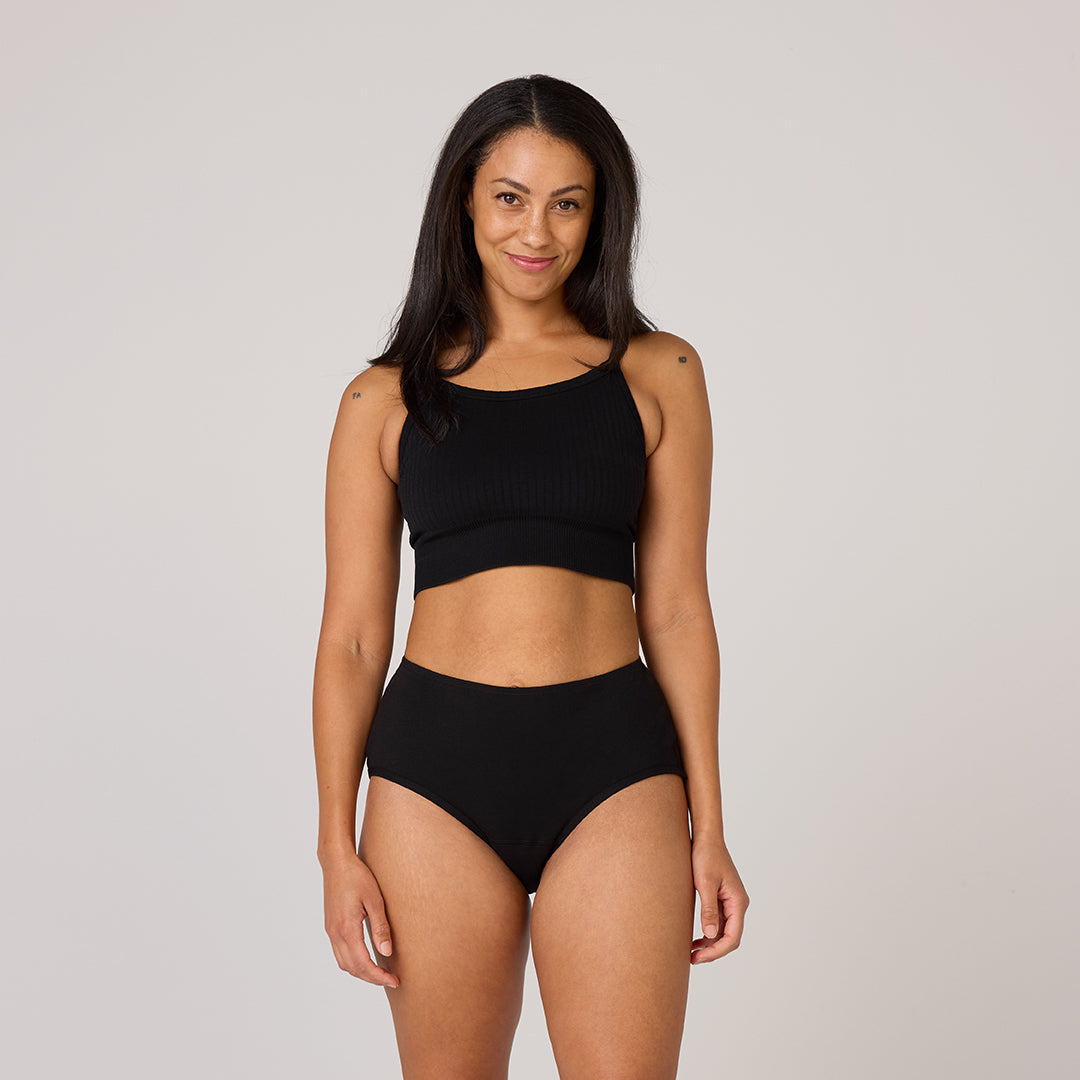
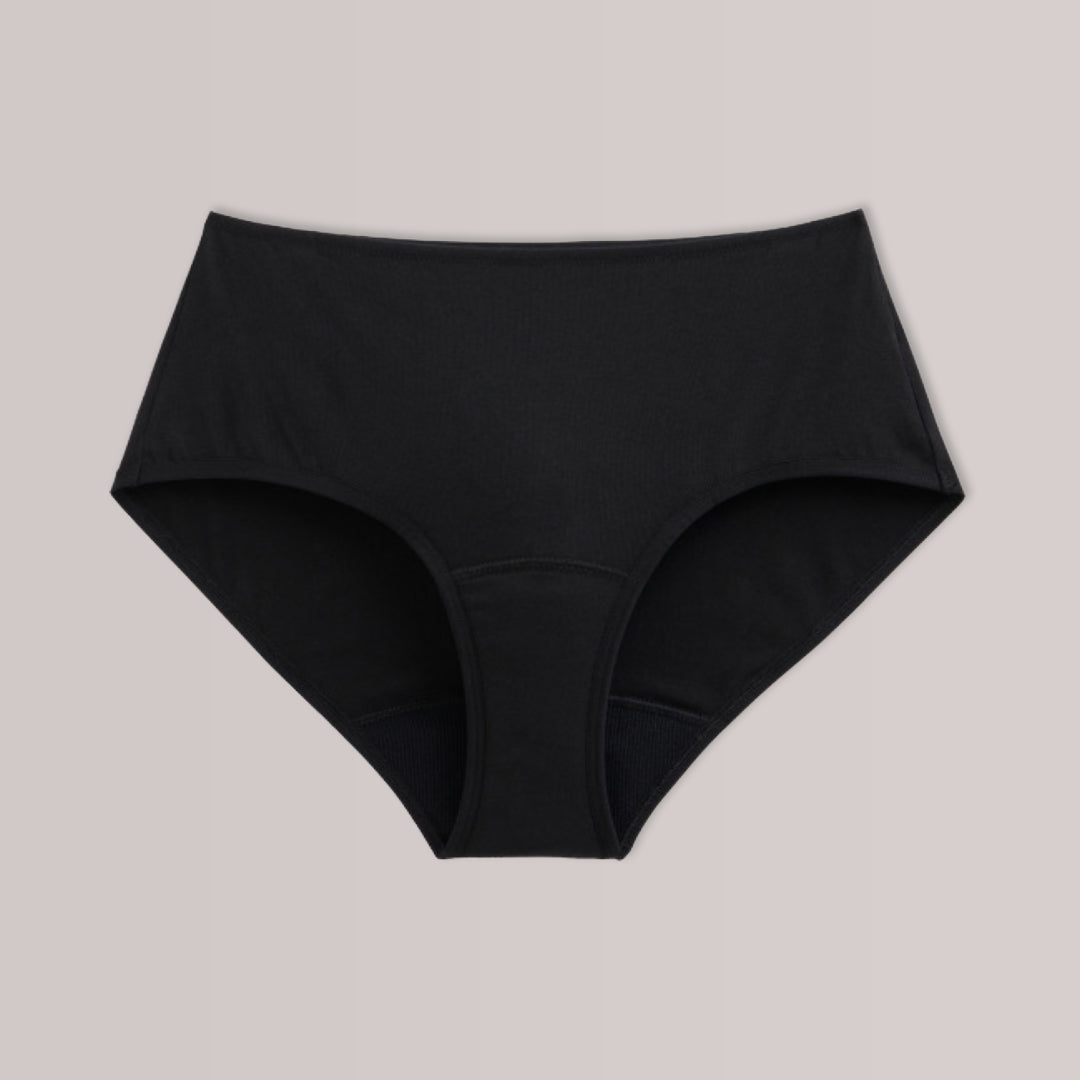
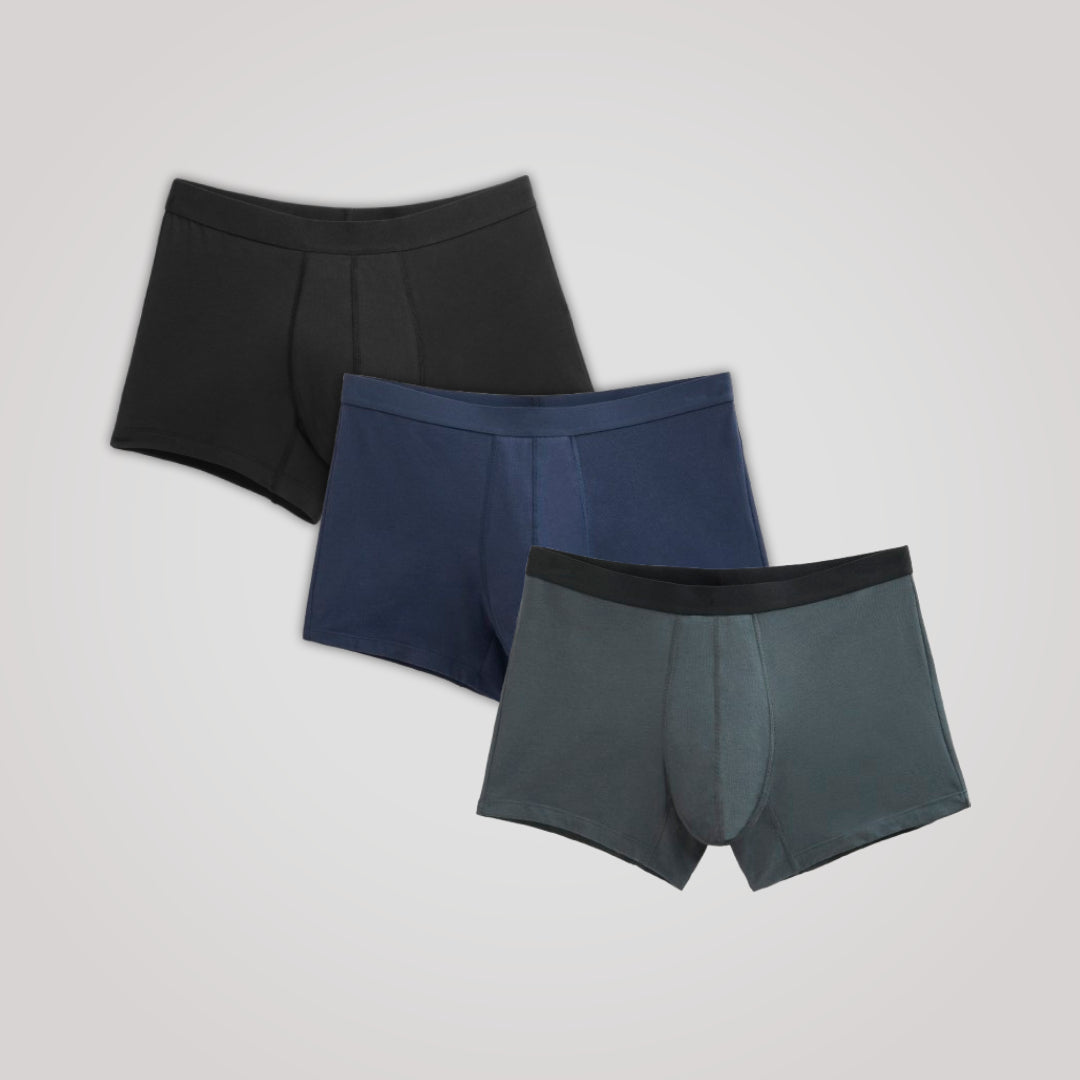
Men's incontinence pants offer all day protection from urine leaks, all while being comfortable and discreet. There are some disposable options available that can be effective, but for a more familiar fit and feel, consider trying a pair of washable incontinence underwear.
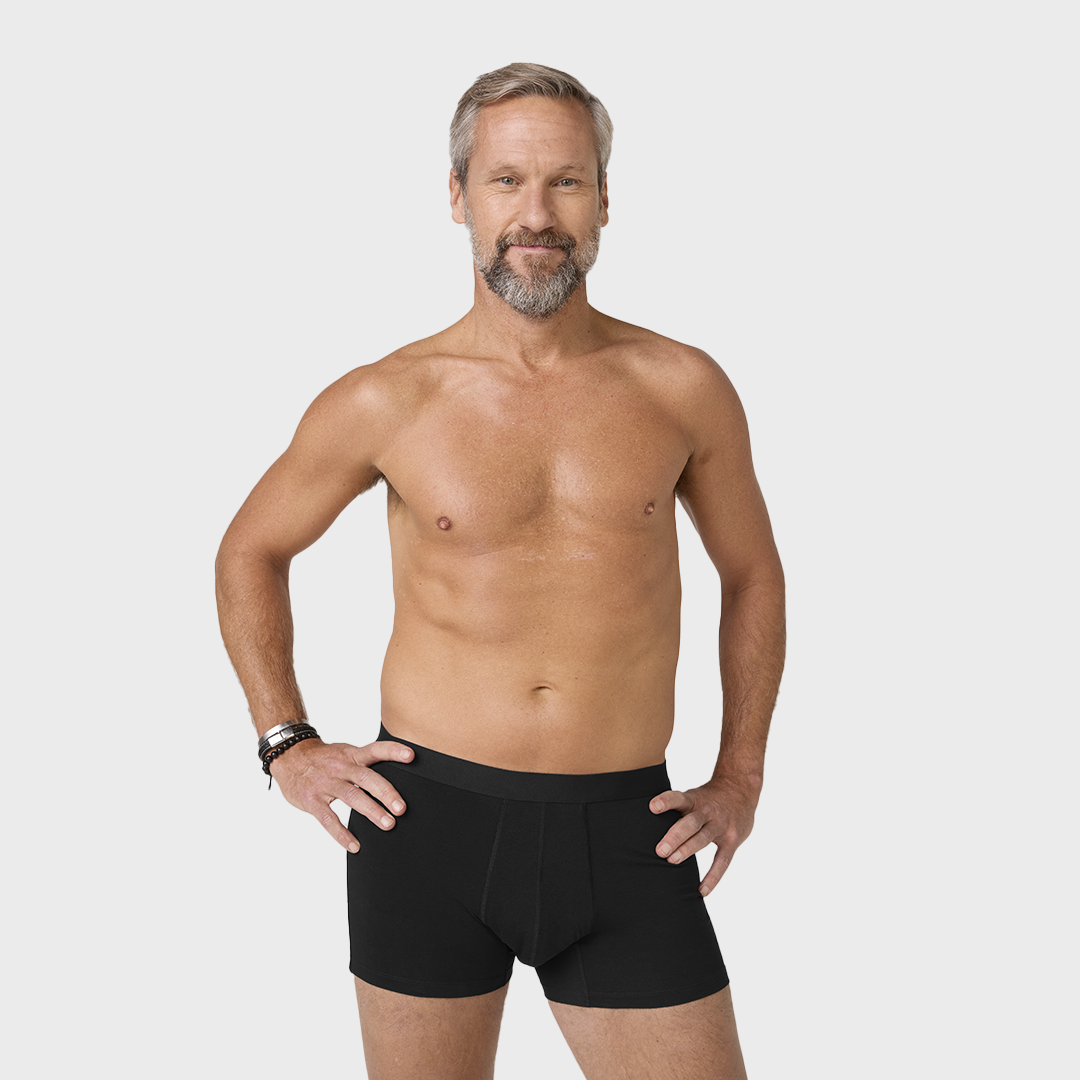
Each pair of TENA reusable incontinence underwear feels and looks just like your regular pair of boxers, except they can keep drips, dribbles and small leaks locked in place. We use four layers of protection in the SPEEDDRY ZONE™ to keep you dry with fast absorption everyday without worrying about any dribbles. Better still, they look and feel just like your regular underwear or boxers. So whether you're just lazing around at home or getting changed after a workout, no one will know any different. There's no need to frantically look for a bin to throw away your pads or disposable pants either.
TENA MEN Protective Boxer has been developed with thorough fitting sessions to design the underwear true to style and TENA sizes. Just choose the right size and a colour you like, pop on a pair and get on with your day.
You can find other disposable incontinence products like pads designed for heavier leaks and more severe incontinence.
Pelvic floor exercises
Pelvic floor muscle exercises like Kegels can help improve a range of incontinence symptoms, including strengthening bladder control and reducing bladder spasms associated with some types of incontinence.
To do Kegel exercises, tighten the muscles you use to stop hold in your pee and hold for about 3–5 seconds, then relax for the same amount of time. Repeat this process 10–15 times per session around 3 times per day.
Bladder training/retraining
Bladder training can be effective if you're experiencing urge and mixed incontinence. This process will help you hold in more pee and fight those strong urges to go.
Bladder training can be a simple process that you can do yourself, give it a go by following this guide: [10]
- Keep a bladder diary of your toilet habits and see if you notice any patterns, including when you pee and any leaks or urges you have.
- Create a schedule for going to the bathroom that works for you, even if you feel like you don't need to. You might need to adjust it a few times to get it right, so don't worry if you experience some leaks at first.
- Slowly extend the time between bathroom visits by 15-minute each time, until you can go 3–4 hours without feeling a strong or sudden urge.
- When you feel the need to go, try deep breathing, crossing your legs, or tightening your pelvic floor muscles to delay urination.
It's important to keep this consistent routine, even if you do have leaks every now and then. If you find you're not seeing any improvement, you can adjust your routine or even ask a doctor to help you with a treatment plan.
Lifestyle changes
You might not realise it, but some of the things you do every day could be contributing to your loss of bladder control. While lifestyle changes can help manage your condition or even resolve it completely, this isn't the case for every type of incontinence. If you're unsure, have a chat with your doctor to see if changes to your habits can help.
For example, a change in diet can be helpful, as some people find that certain foods trigger their incontinence, including citrus fruits, spices and even artificial sweeteners. Even avoiding certain habits can cause a knock-on effect for your incontinence. For instance, quitting smoking means you may cough less, therefore reducing the likelihood of coughing-related leaks caused by stress incontinence.
Male incontinence is often an overlooked issue, yet it can significantly impact quality of life. From prostate health and surgeries to age-related changes and underlying medical conditions, there are a variety of factors that contribute to urinary problems. Understanding the causes and symptoms is key to managing the condition and finding the right solution. Fortunately, there are a range of treatment options designed to improve bladder control and help you stay confident. If you're looking for a way to keep your leaks under control, completely undetected, TENA reusable incontinence underwear could be a great option.
Incontinence can be tricky to get your head around, especially when you're trying to separate fact from fiction. To help you get started, we've debunked the top 10 incontinence myths to help you feel more clued up and reassured.
Medical Disclaimer
The medical information in this article is provided as an information resource only, and is not to be used or relied on for any diagnostic or treatment purposes. Please consult your doctor for guidance about a specific medical condition.
References:
[1] https://www.mayoclinichealthsystem.org/hometown-health/speaking-of-health/treatment-options-for-men-with-urinary-leakage
[2] https://www.healthline.com/health/what-medications-cause-overactive-bladder
[3] https://www.goodrx.com/conditions/urinary-tract-infection/get-rid-of-uti-fast
[4] https://www.nhs.uk/conditions/urinary-tract-infections-utis/
[5] https://www.nhs.uk/conditions/enlarged-prostate/
[6] https://my.clevelandclinic.org/health/diagnostics/22764-prostate-exam
[7] https://www.cancercenter.com/cancer-types/prostate-cancer/treatments/prostatectomy/urinary-incontinence
[8] https://www.healthline.com/health/overactive-bladder/obesity-and-overactive-bladder
[9] https://www.healthline.com/health/neurogenic-bladder
[10] https://www.ucsfhealth.org/education/bladder-training
* Based on survey conducted by Essity in 2012, with men over 40 in the US, UK, Germany, Italy, Russia and Mexico by Essity. Data on file not published.