Cold weather can make bladder weakness feel harder to manage. From changes in what we drink to spending more time indoors, winter can place extra pressure on both your bladder and pelvic floor.
To help you stay comfortable and in control, here are 10 practical tips for managing urinary incontinence throughout winter.
-
Stay hydrated throughout the day
Cold weather often means we drink less without realising. But drinking too little can make urine more concentrated, which may irritate the bladder and contribute to constipation. Aim for 1.5–2 litres of fluids a day whether that’s water, herbal tea or dilute squash it all count.
-
Keep your bowels regular
Constipation places pressure on the pelvic floor and can make urinary incontinence worse. Support regularity by drinking enough water, staying active and including fibre-rich foods such as wholegrains, fruit, vegetables and pulses.
-
Strengthen your pelvic floor muscles
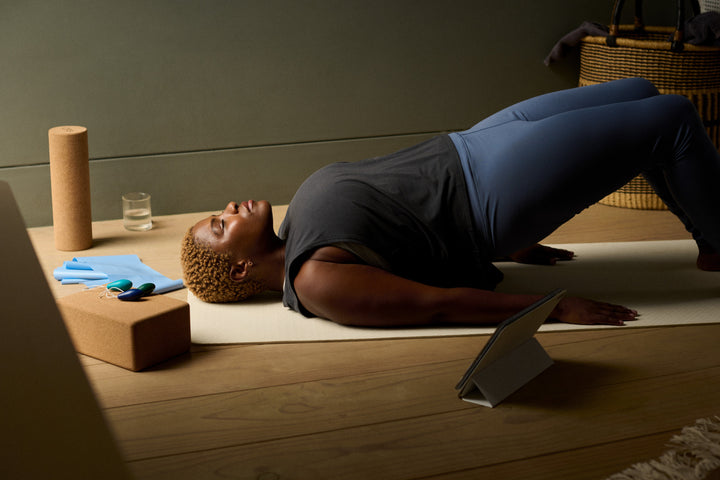
A strong pelvic floor helps improve bladder control. Set aside a few minutes each day for pelvic floor exercises . Learn how to strengthen your pelvic floor with our easy to follow Kegel exercises.
-
Be mindful when you have a cold
Winter coughs and sneezes place extra downward pressure on your bladder, which can make light leaks more common, especially if your pelvic floor is already weakened. Continuing daily pelvic floor exercises can help strengthen support over time.
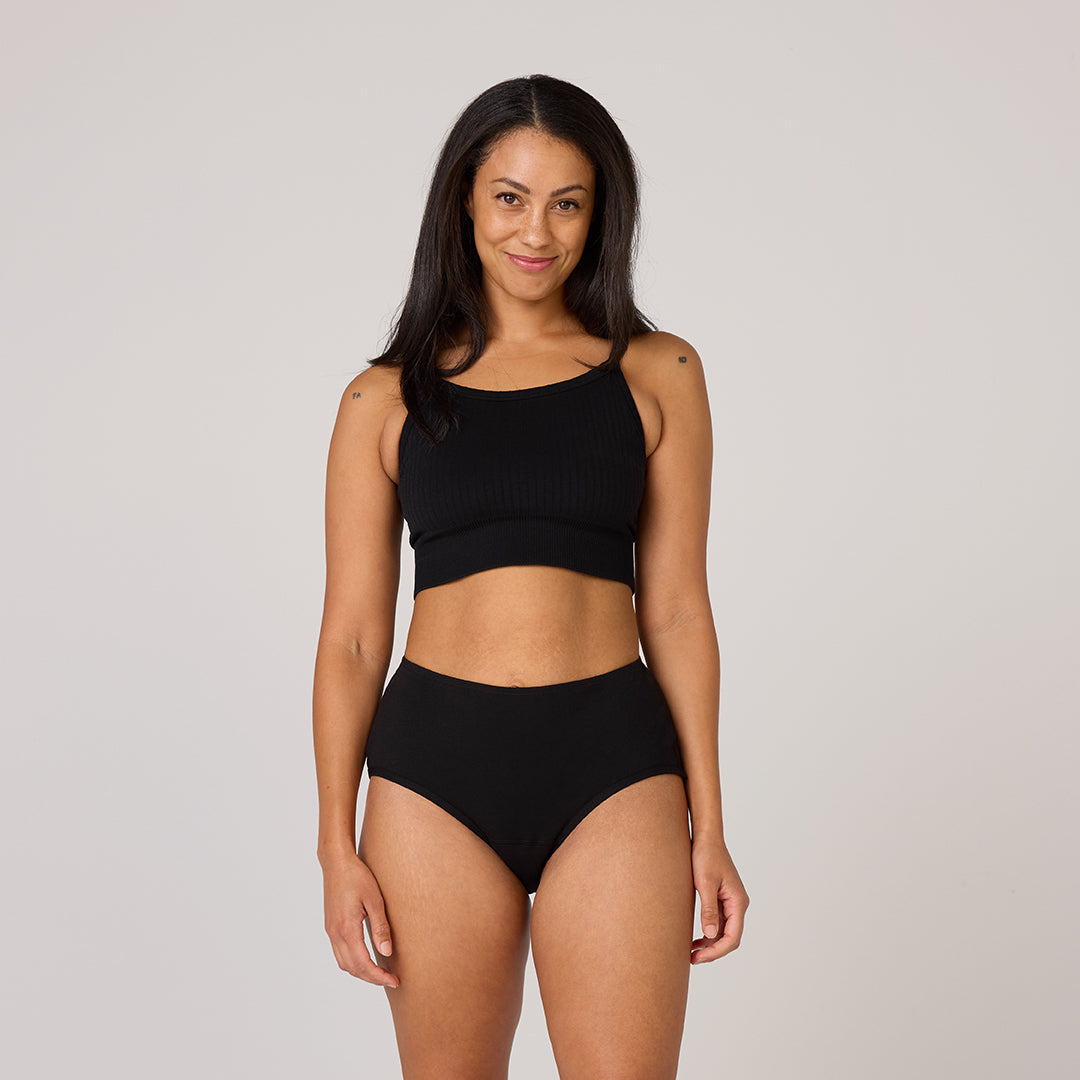
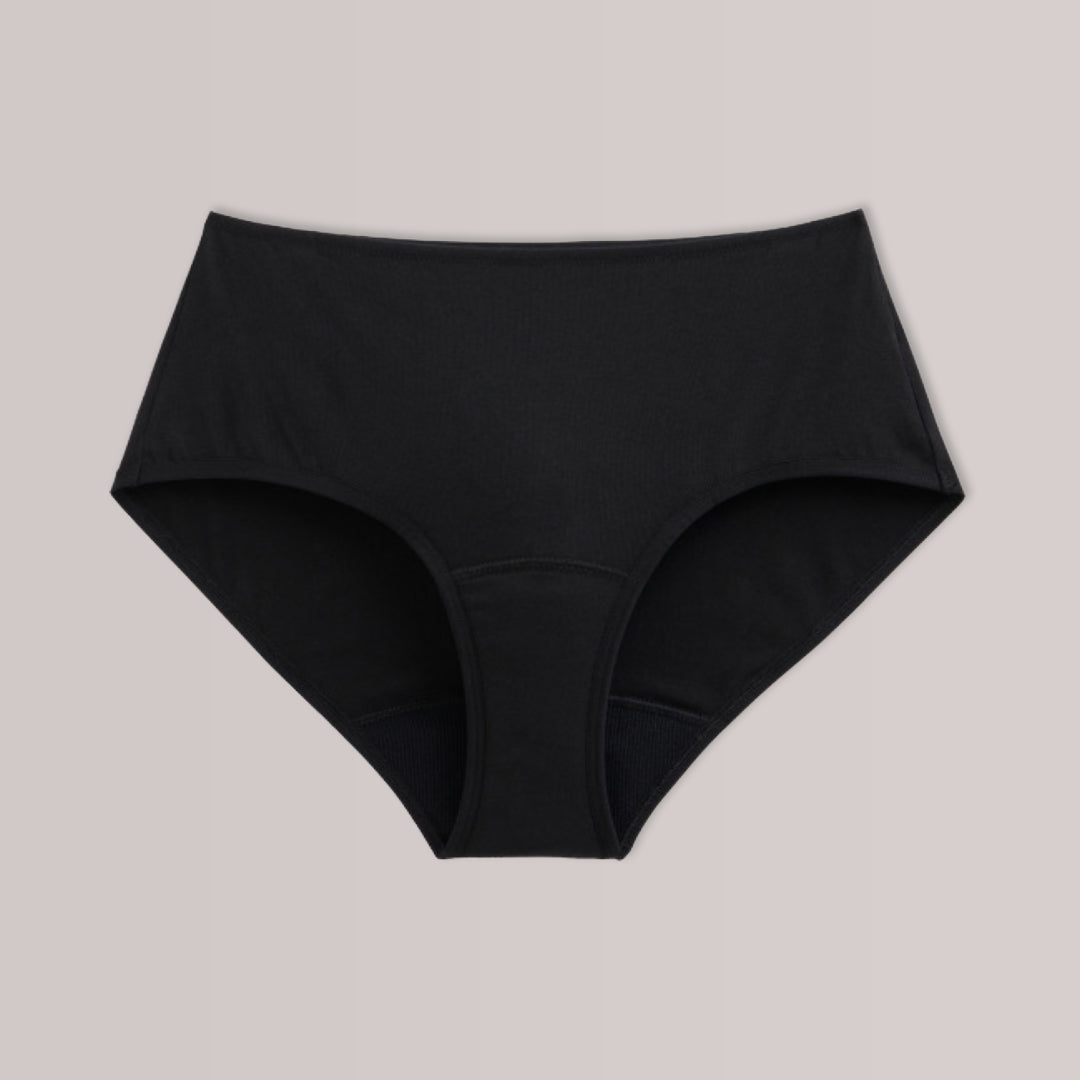
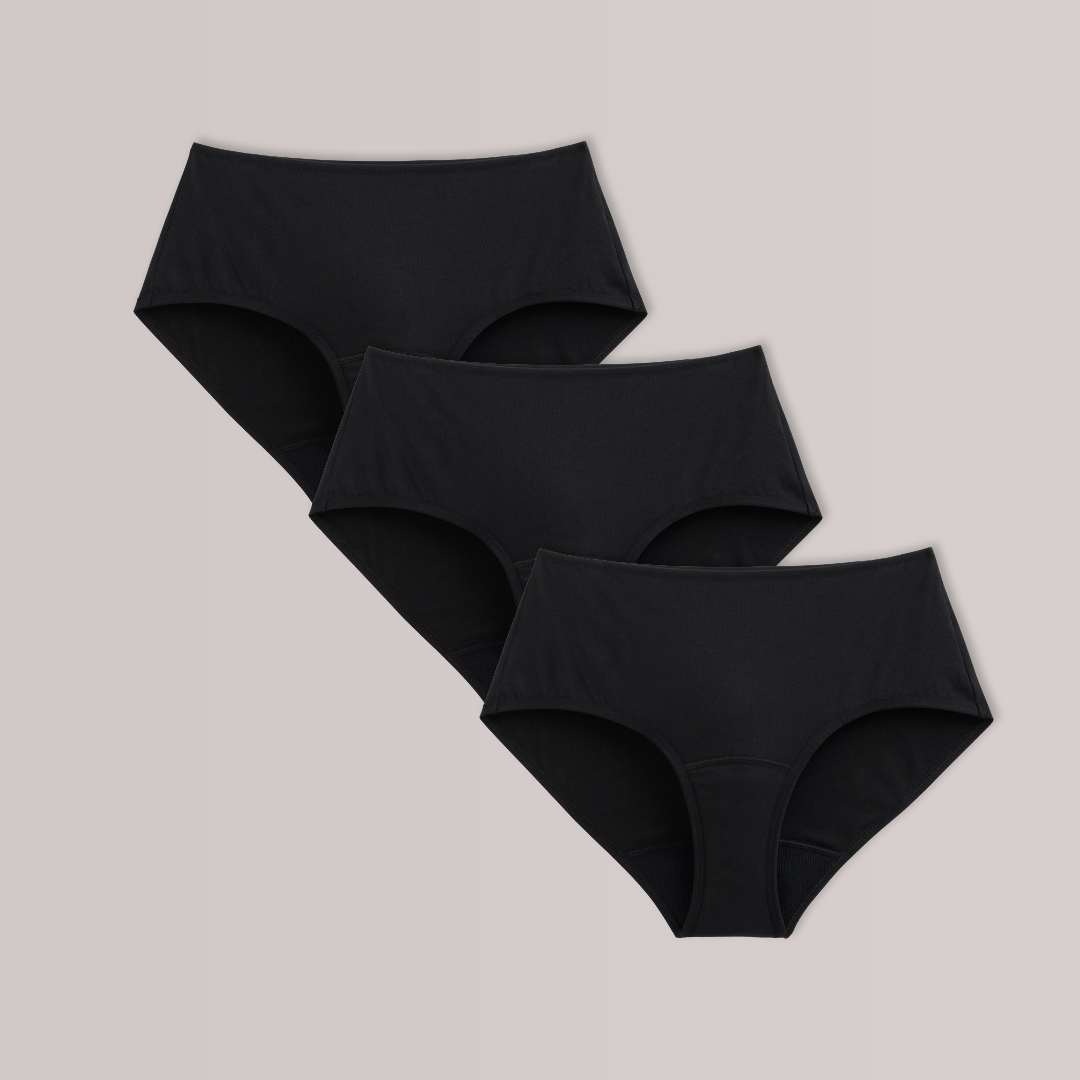
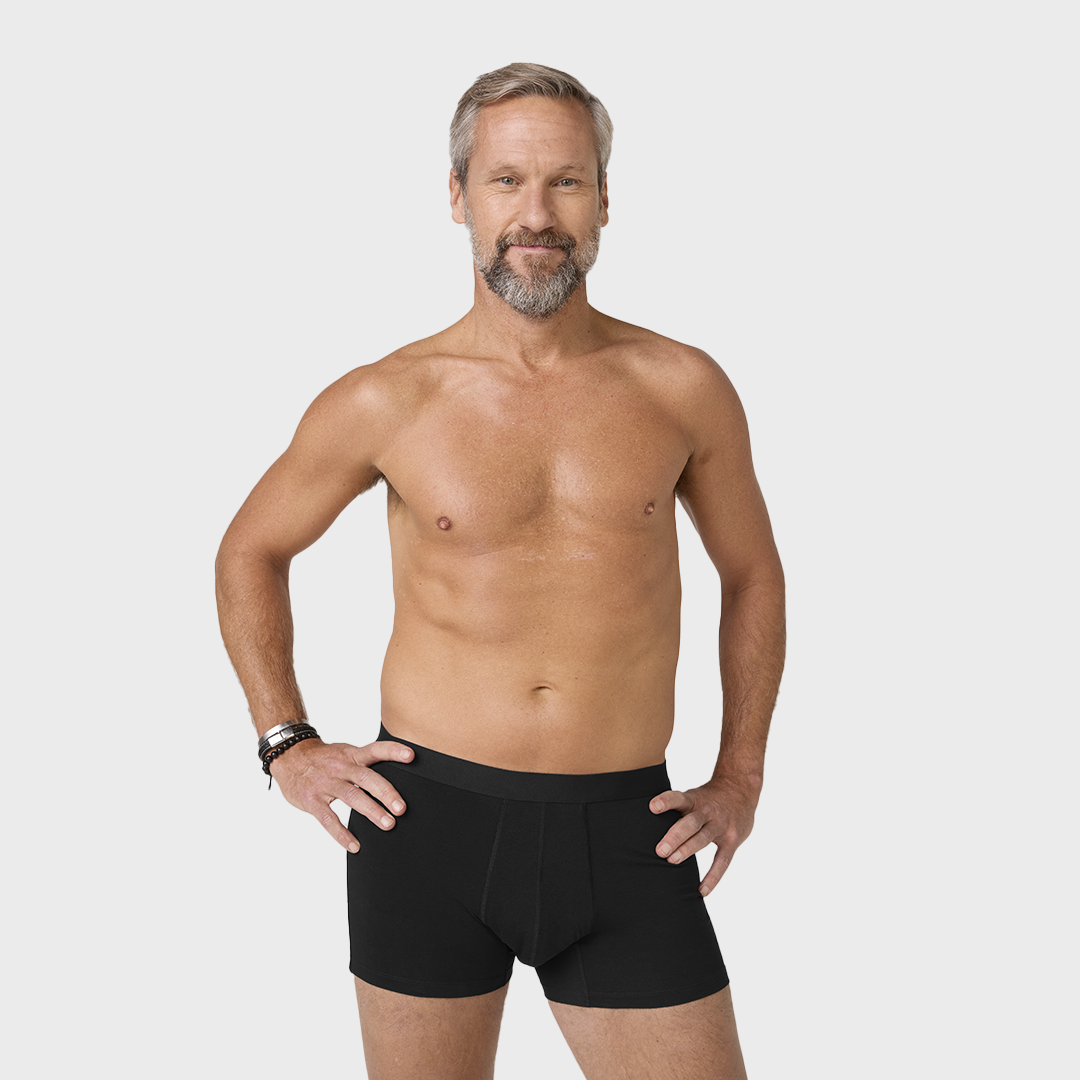
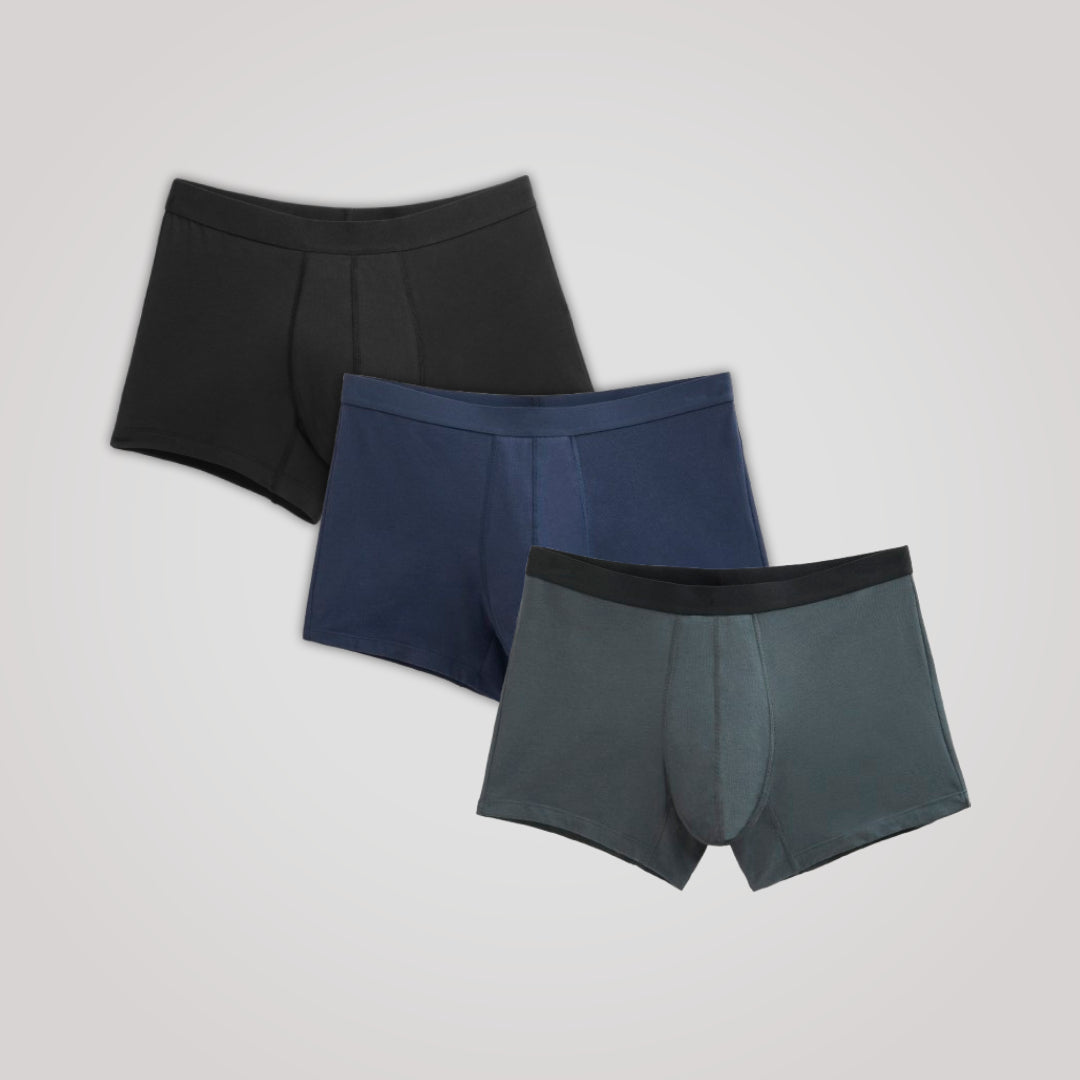
For added reassurance when cold symptoms strike, TENA’s washable incontinence pants provide discreet protection against light leaks from coughing or sneezing. Their comfortable, just like regular underwear so you can carry on with your day feeling confident and supported.
-
Review your caffeine intake
Tea, coffee and hot chocolate are winter staples, but caffeine can trigger urgency and bladder irritation. Try swapping a few daily cups for decaf options, herbal infusions or warm water with lemon, ginger or mint.
-
Watch out for bladder‑irritating foods
Some foods may worsen symptoms, including:
1. tomatoes and tomato-based sauces
2. chocolate
3. spices and chilli
4. acidic foods
If you notice a pattern, reducing these foods temporarily may help.
-
Limit alcohol where you can
Mulled wine or cosy evening drinks can be tempting, but alcohol increases urine production and irritates the bladder. If you do enjoy a drink, balance it with water and avoid late‑evening alcohol where possible.
-
Maintain positive bladder habits
Going to the loo “just in case” can train your bladder to empty too often, reducing your ability to hold a normal amount. Try to wait until you genuinely feel full, and focus on a calm, regular bathroom routine.
-
Keep an eye on winter weight changes
We naturally move less and eat more comforting meals in colder months. Extra weight can place pressure on the pelvic floor, which may worsen leaks. Incorporating gentle walks, stretches or indoor workouts can help you stay active.
-
Use protection designed for bladder weakness
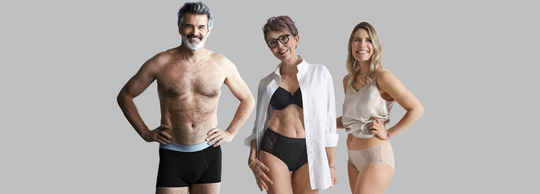
Even with the best habits, winter can bring unexpected leaks, especially when coughing or outdoors in the cold. TENA’s range of Liners, Pads and Pants is designed for bladder weakness and can help keep you dry, comfortable and confident. You can explore the range using the TENA Product Finder Tool and request a money off coupon to try your ideal fit.
Sources:
https://www.180medical.com/blog/tips-for-managing-urinary-incontinence-in-the-winter/
https://www.healthline.com/nutrition/how-much-water-should-you-drink-per-day