A woman’s body goes through constant changes, from puberty to menopause, and these shifts can sometimes affect bladder function, leading to incontinence. By understanding what causes this common condition, you can identify triggers and keep any leaks completely under control.
What is incontinence?
In simple terms, urinary incontinence is when you release pee involuntarily and can be a temporary or a more long-term condition. It's common, affects people of all ages and can present in different forms, such as urgency, stress-related leaks, or a constant dribble.
What are the types of female incontinence?
There are five common types of urinary incontinence that women can experience:
Stress incontinence
This type of incontinence often results from everyday activities like coughing, laughing, exercising, or lifting heavy objects. This can put pressure on the bladder muscles, leading to urine leakage. Accounting for around 48% of cases, stress incontinence is the most common type in women. [1]
Urge incontinence
As the name suggests, urge incontinence means you have a sudden and strong urge to pee that you can't control. You might have also heard it be called overactive bladder, OAB, or urgency incontinence.
Overflow incontinence
Overflow incontinence happens when the bladder doesn’t empty fully, leading to frequent urine leakage or dribbling. This is often caused by some sort of blockage that restricts your flow of urine.
Mixed incontinence
Mixed incontinence is a combination of two or more types of incontinence, most commonly stress and urge incontinence. Therefore, you might experience urine leakage from activities that put pressure on the bladder, and strong unexpected urges to pee.
Functional incontinence
Instead of there being an issue with the bladder itself, functional incontinence means you might not be able to make it to a toilet in time because of mental barriers or mobility issues.
Figuring out what type of incontinence you have can be tricky sometimes. Alongside explaining your symptoms to your doctor, learning a bit more about the basics can go a long way too.
The five common causes of incontinence in women
Bladder problems in women can be caused by any number of factors, however, there are a few that seem to be more common than others:
Pregnancy
Pregnancy and childbirth can have several lasting effects on bladder function because of the strain they place on the body. During pregnancy, the growing baby creates increasing pressure on your bladder, which can lead to more frequent urination and a higher risk of leakage. Hormonal changes during pregnancy can also affect the elasticity and strength of your pelvic floor muscles.
During childbirth, particularly vaginal birth, these muscles may stretch or weaken, and the nerves that control bladder function can become damaged. In some cases, childbirth may also contribute to bladder prolapse, where the bladder shifts from its normal position. If this happens, you may experience stress incontinence or difficulty fully emptying your bladder.
Pregnancy-related incontinence can be tricky, but it's usually only temporary. If you practice pelvic floor exercises like Kegels to retrain and strengthen the muscles, you should be back to normal in no time at all. [7]
Menopause
Bladder problems might not be something you think of when considering the side effects of going through menopause. However, a drop in reproductive hormones, particularly oestrogen, can cause the pelvic floor muscles to become weaker. This can then lead to the tissue around your vagina and urinary tract to become drier, thinner and less elastic. This can make it harder for you to control your bladder, and can cause you to develop stress or urge incontinence. [6]
These changes can also make you more susceptible to urinary tract infections (UTIs), another common cause of incontinence. [6]
Menopause can be a challenging time for anyone, and adding incontinence to the mix can be overwhelming. However, getting support from those around you and your doctors can help you tackle your menopause symptoms at whatever pace you're comfortable with.
Urinary tract infection
Urinary tract infections (UTIs) are extremely common, with around half of all women experiencing at least one at point in their lives. [8] A UTI occurs when bacteria from the digestive system enter the urinary tract and multiply, leading to an infection. The urinary tract includes the bladder, urethra, ureters, and kidneys, though most UTIs affect the lower tract (the bladder and urethra).
In some cases, a UTI can also lead to temporary incontinence, as irritation and inflammation of the bladder can make it more difficult to control when you pee. Women are more prone to UTIs than men due to the shorter length of the female urethra, which allows bacteria to reach the bladder more easily. [9] Factors such as menopause, pregnancy, sexual activity, and conditions like diabetes can further increase the risk of developing a UTI. [10]
If left untreated, the infection can spread to the kidneys, causing more severe symptoms such as fever, back pain, and nausea. So if you have any of the symptoms of a UTI, it's a good idea to get it checked out by your doctor.
If you do notice any symptoms of a UTI, there's no need to panic. If you catch it early, just make sure to stay hydrated, pee regularly and avoid bladder irritants. This can be enough to flush out the infection on its own. [11] However, if this is your first one or your symptoms don't improve within 2 days, make an appointment with your doctor. [12]
If you continue to develop UTIs (2 or more within six months or three or more within a year), have a chat with your doctor. They will more than likely ask you to provide a urine sample so they can figure out what's going on. [13]
However, there are a couple of things you can do to reduce your risk of UTIs. They include: [12]
- Staying hydrated
- Wiping from front to back
- Peeing as soon as possible after sex
Medical conditions
Sometimes bladder problems in women can develop as a result of certain medical conditions. For example, mental and neurological conditions such as dementia can lead to functional incontinence, [3] and obesity can lead to stress incontinence because of extra pressure on the bladder. [4]
Other conditions that can lead to incontinence in women include: [5]
- Diabetes
- Pelvic surgery (a hysterectomy for example)
- Stroke
- Spinal injury (particularly spinal cord injuries)
- Side effects of some medications (muscle relaxants, blood pressure medications, etc.)
- A family history of incontinence
If you think your incontinence is caused by another condition or a side effect of your medication, bring this up with your doctor. It might just be a simple case of switching medicines or adjusting any treatment you might already be having.
Neurological damage
Neurological damage just means damage to the nerves that carry messages and signals from your brain to different parts of your body. In the case of your bladder, damage to these nerves may mean that your brain doesn't send the signal that your bladder is full at the right time. This type of damage can also cause your bladder to not empty completely, leading to overflow incontinence. [2]
If you're experiencing incontinence because of neurological damage, check in with your doctor. There are treatment options like physical therapy that can help, not just with incontinence, but other symptoms too.
What can I do to manage incontinence?
Incontinence can have a big impact on your quality of life if you don't know how to manage it properly. Luckily, there are simple changes you can make or solutions you can use to help you stay worry-free when it comes to bladder leaks. Remember, some incontinence is only temporary, so some of these methods may help you stay leak-free for good.
Use washable absorbent underwear for light leaks
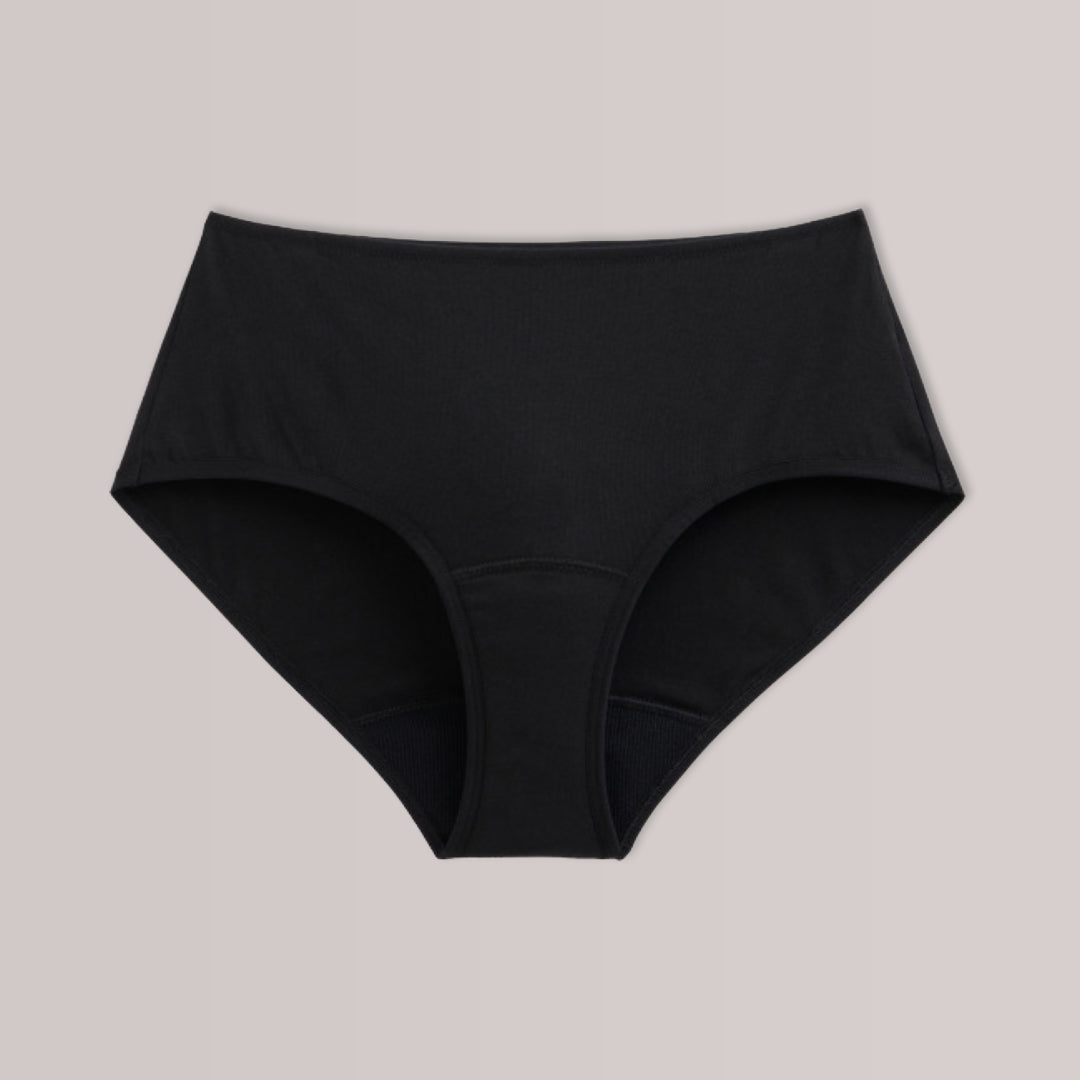
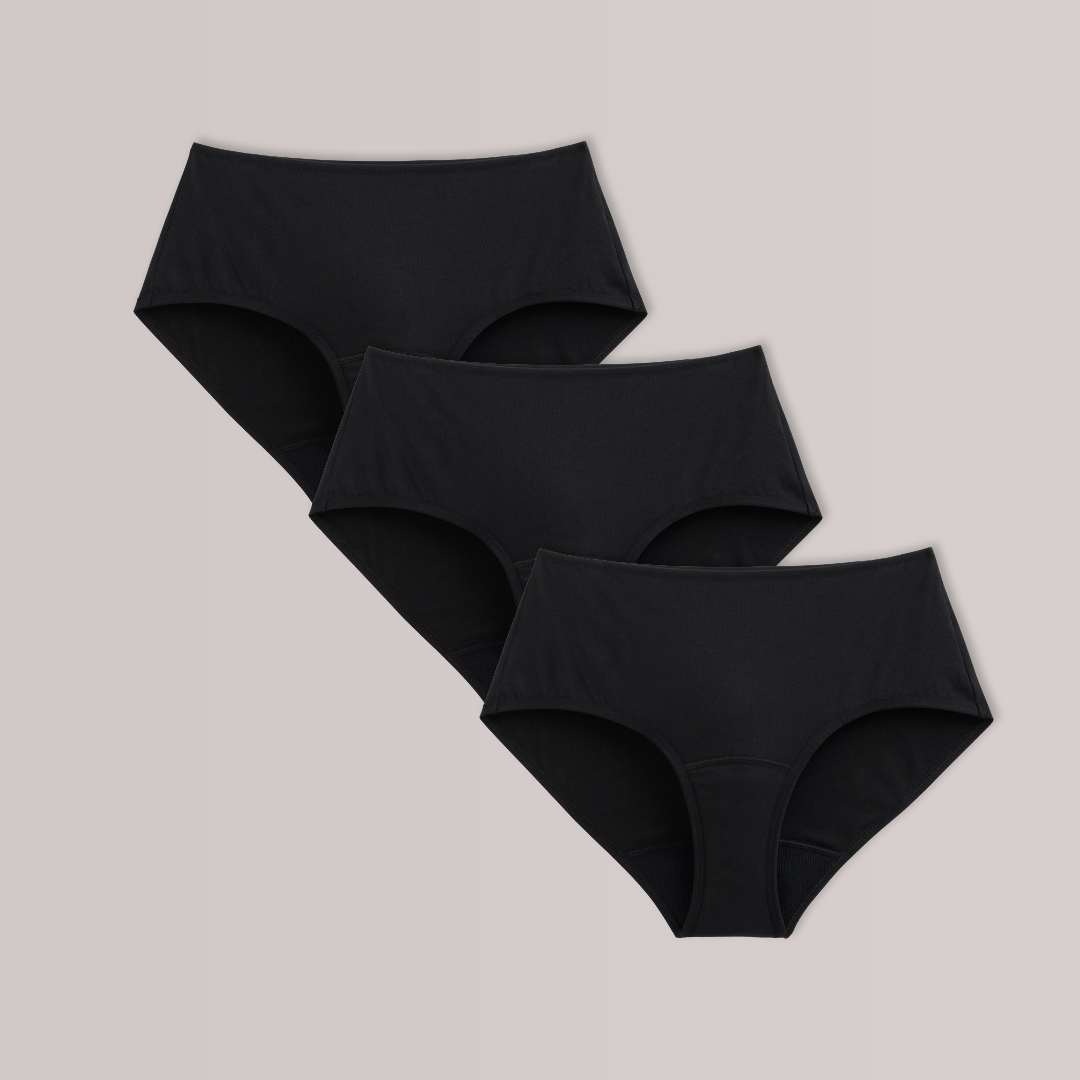
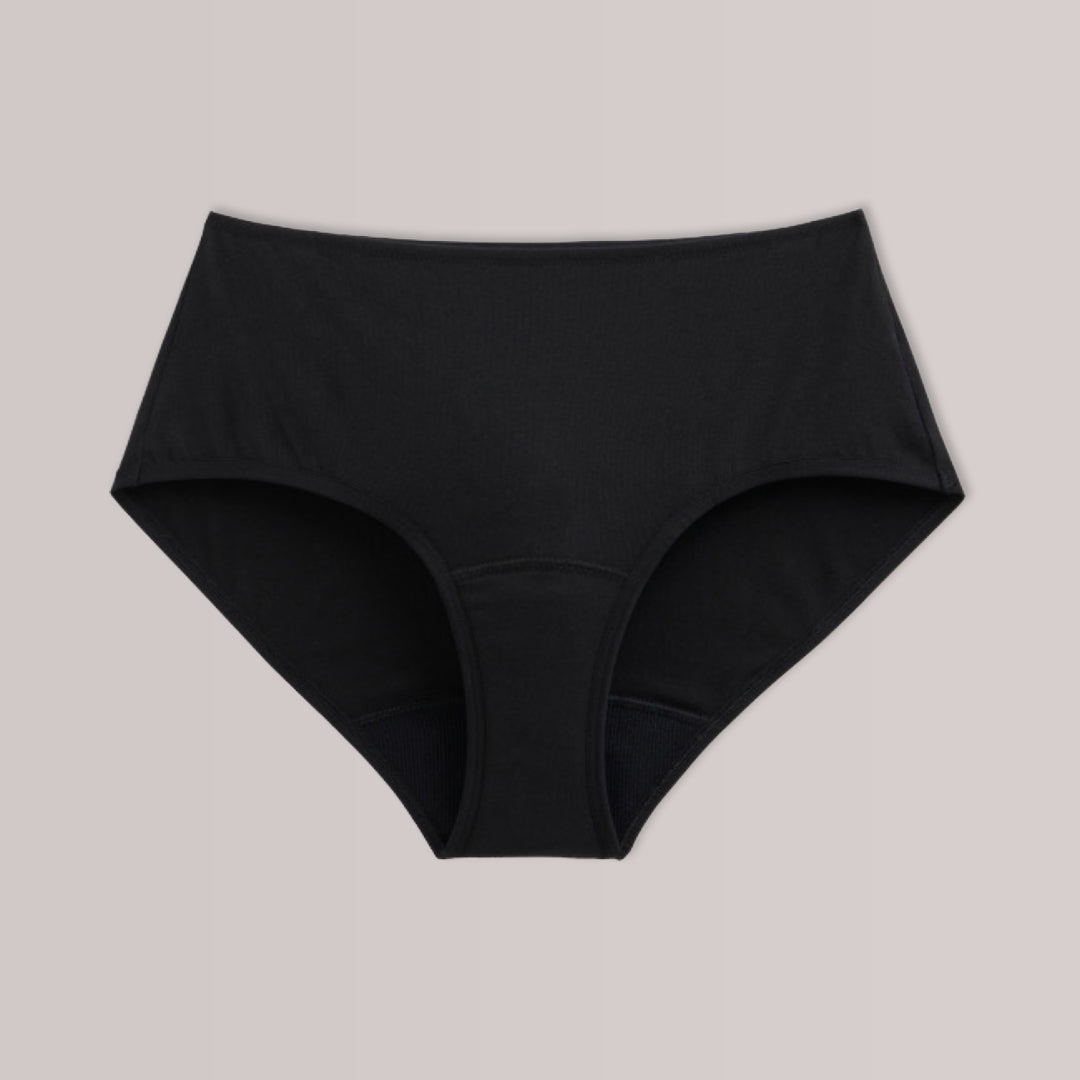
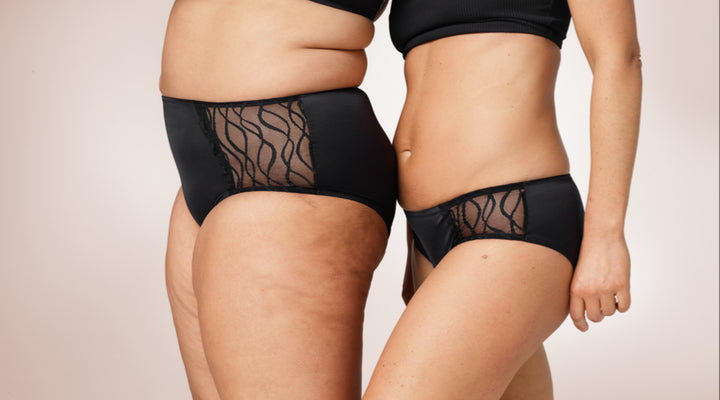
Women's incontinence underwear is a great way to protect yourself from urine leakage without limiting you in your daily life. This underwear gives you a comfortable and discreet experience while keeping you protected all day long.
TENA reusable absorbent underwear feels just like your regular underwear, except they can keep those dribbles of pee locked in place. We use four layers of protection to effectively absorb and manage light leaks, helping you to live your life with confidence.
Just choose the right size, pop on a pair and get on with your day.
You can find other incontinence products such as pads designed for heavier leaks.
Pelvic floor exercises
Strengthening the pelvic muscles with exercises like Kegels can help improve bladder control, reduce bladder spasms and improve the symptoms of some types of incontinence.
To do Kegel exercises, tighten the muscles you use to hold in your pee and hold for about 3–5 seconds, then relax for the same amount of time. Repeat this process 10–15 times per session. You should aim to do this around 3 times per day.
Bladder training/retraining
The aim of bladder training is to help you both hold more urine and decrease the number of times you need to use the toilet. This can be an effective method for dealing with urge and mixed incontinence.
You can do bladder training yourself just by following these simple steps: [14]
- Keep a bladder diary of your bathroom habits, including when you pee and any leaks you have to identify patterns.
- Create a schedule for going to the bathroom, even if you feel like you don't need to. It might take some trial and error to find regular intervals that work for you.
- Slowly extend the time between bathroom visits by 15-minute increments until you can go 3–4 hours without feeling a strong or sudden urge.
- When you feel the need to go, try deep breathing, crossing your legs, or engaging your pelvic floor muscles through Kegel exercises to delay urination.
It's important to keep this consistent routine, even if you do have leaks every now and then. If you find you're not seeing any improvement, ask a doctor to help you with a treatment plan and make adjustments to your routine if you need to.
Lifestyle changes
There are some things you might be doing in your everyday life that could be contributing to your loss of bladder control. Depending on the type of incontinence you have, some lifestyle changes might be helpful in managing your condition.
For example, avoiding bladder irritants such as caffeine and alcohol. Even quitting smoking may also reduce coughing-related leaks caused by stress incontinence.
Incontinence in women can have many underlying causes, from pregnancy and menopause to medical conditions and lifestyle factors. While it can be challenging to deal with at times, understanding the root causes is the first step toward taking back control of your bladder health. Fortunately, there are plenty of treatment options to help improve bladder control, and the right management solutions can keep you feeling comfortable and worry-free about leaks. Whether you take on bladder training or pop on a pair of incontinence underwear, a leak-free life is absolutely possible.
Managing incontinence is all about finding out what triggers it, with some occasions and situations making trickles of pee a bit more likely. But learning more about your body is the first step to keeping your leaks under control.
Medical Disclaimer
The medical information in this article is provided as an information resource only, and is not to be used or relied on for any diagnostic or treatment purposes. Please consult your doctor for guidance about a specific medical condition.
References:
[3] https://www.webmd.com/urinary-incontinence-oab/functional-incontinence
[4] https://www.nhs.uk/conditions/urinary-incontinence/10-ways-to-stop-leaks/
[5] https://www.nhs.uk/conditions/urinary-incontinence/causes/
[6] https://guysandstthomasspecialistcare.co.uk/news/menopause-and-urinary-incontinence/
[8] https://womenshealth.gov/a-z-topics/urinary-tract-infections
[9] https://www.mayoclinic.org/diseases-conditions/urinary-tract-infection/symptoms-causes/syc-20353447
[10] https://www.mayoclinic.org/diseases-conditions/urinary-tract-infection/symptoms-causes/syc-20353447
[11] https://www.goodrx.com/conditions/urinary-tract-infection/get-rid-of-uti-fast
[12] https://www.nhs.uk/conditions/urinary-tract-infections-utis/